Back

Cashmere Microns Explained: How to Choose High-Quality Cashmere

March 18, 2026

Uchral Amar

Director of Design Development Department

Uchral Amar

Director of Design Development Department

With over a decade at GOBI Cashmere, Uchral has devoted her career to designing exquisite knitwear. Beginning as a textile designer, she went on to lead the design division and now directs design development. Her extensive expertise in fashion design, coupled with years of hands-on experience, enables her to craft timeless, high-quality cashmere pieces that seamlessly fuse tradition with modern innovation. She offers expert insights into cashmere fashion, design trends, the creative journey behind each garment, as well as how to wear, care for, and fully appreciate cashmere.

Author Profile

SHARE THIS

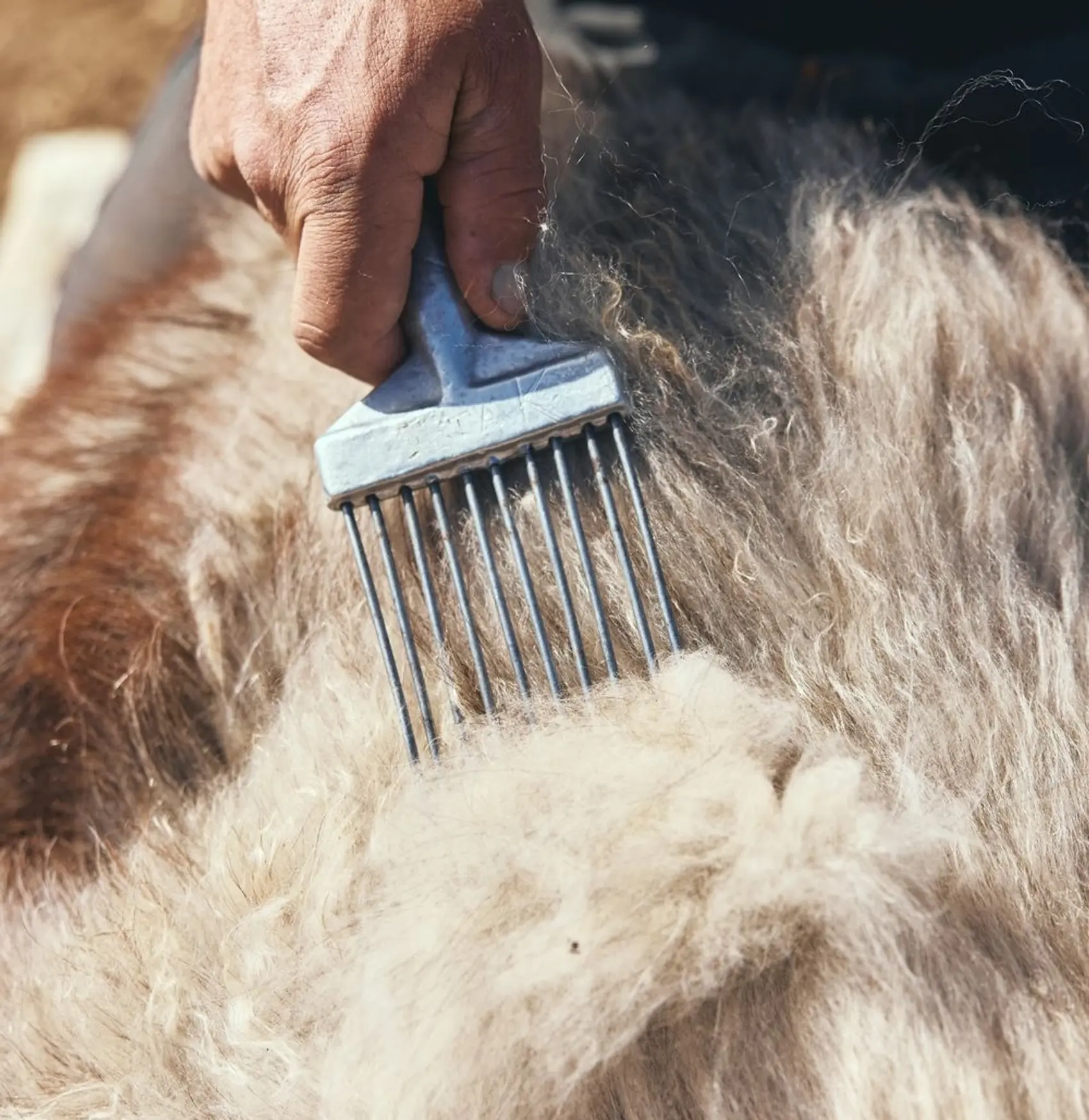
Cashmere is widely admired for its exceptional softness, natural warmth, and lightweight feel. Sourced from the fine undercoat of cashmere goats, this rare fiber has become a symbol of comfort and refinement. However, not all cashmere is the same. To choose pieces that truly last and feel luxurious, it’s important to understand how cashmere quality is measured—especially when it comes to microns.
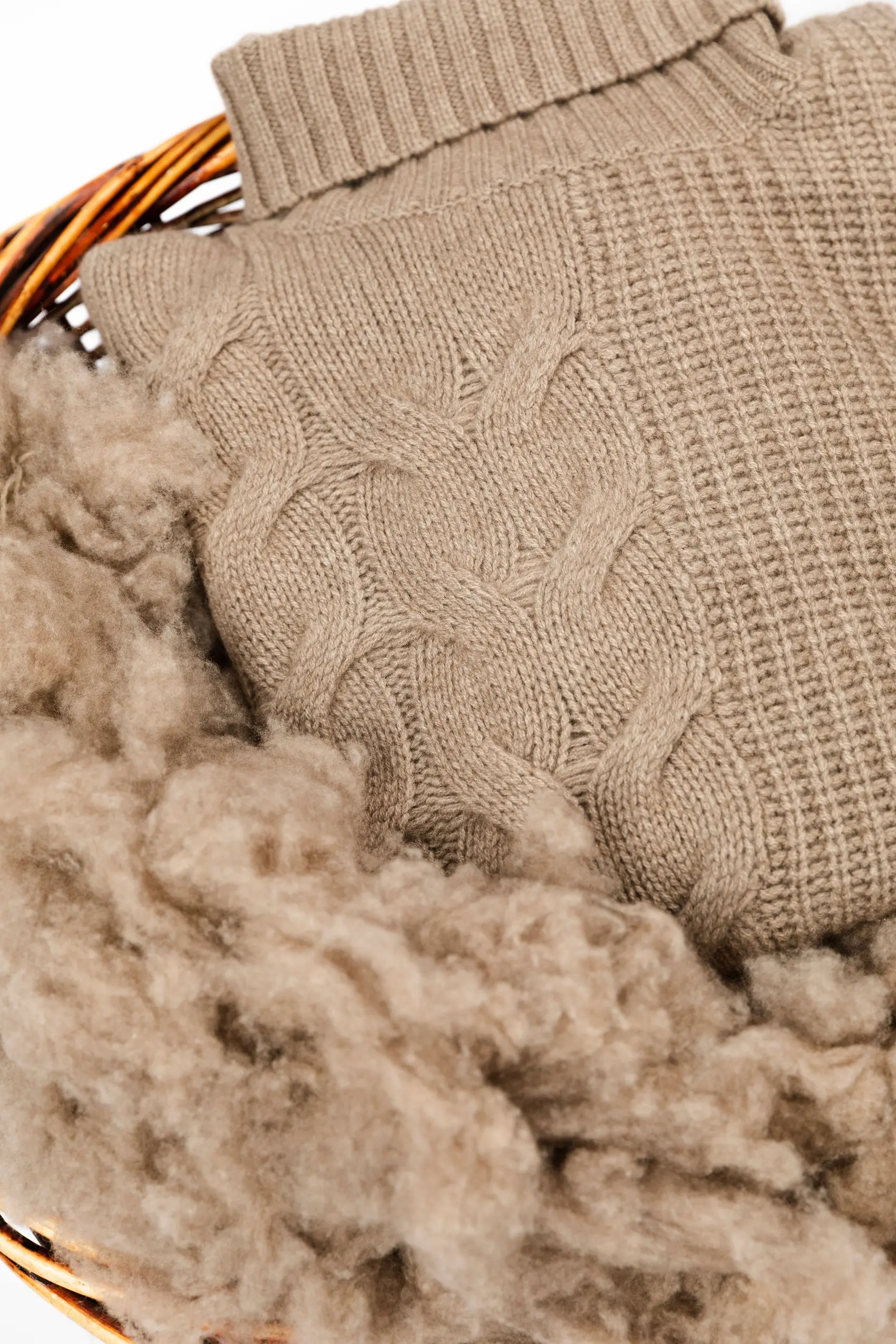
When browsing cashmere garments, the micron count is one of the most reliable indicators of quality. Microns measure the thickness of individual fibers. In general, the finer the fiber, the softer and smoother the finished fabric feels against the skin. Thicker fibers may still be warm, but they often lack the refined softness people associate with premium cashmere.
Gobi cashmere

What Are Cashmere Microns?

A micron is a unit used to measure fiber diameter. High-quality cashmere typically measures below 16 microns, while lower-grade cashmere often exceeds this range. Even a difference of one micron can noticeably affect how a garment feels and wears over time.
Cashmere sourced from Mongolia is especially valued because of the region’s extreme climate. Long, cold winters encourage goats to grow a dense and delicate undercoat, producing fibers that are naturally fine, soft, and resilient. This environmental advantage plays a major role in the superior feel of Mongolian cashmere.
Gobi cashmere

Why Climate Matters for Cashmere Quality

In harsh climates, cashmere goats develop an insulating inner layer to survive freezing temperatures. This natural adaptation results in fibers that are both warm and lightweight. Because the fibers are finer, they bend more easily, creating a fabric that feels smooth rather than stiff.
This is why climate and geography are closely linked to cashmere quality. Fibers grown in milder regions tend to be thicker and less consistent, which can affect both comfort and longevity.

How Micron Count Affects Comfort and Durability

Lower micron fibers create a softer surface and drape more naturally on the body. They are also less irritating to sensitive skin. Higher-micron fibers, by contrast, may feel rougher and lose their appeal more quickly with wear.
Understanding micron count helps shoppers avoid cashmere that looks appealing at first but becomes coarse or pills excessively over time.

Other Factors That Define Quality Cashmere

While micron count is crucial, it works alongside other important characteristics:
  • Fiber length. Longer fibers are stronger and less likely to break during spinning. This reduces pilling and helps garments maintain their appearance for longer.
  • Natural color. Cashmere naturally appears in shades like white, beige, and light grey. Preserving these colors with minimal processing helps retain fiber integrity and softness.
  • Production standards. Careful sorting, gentle processing, and controlled manufacturing all contribute to a better final product.

A Simple Buyer’s Guide

When choosing cashmere, look for:
  • Micron counts below 16
  • Longer fibres for reduced pilling
  • Natural shades that indicate minimal treatment
  • Clear information about sourcing and production
These factors together signal that cashmere will feel better and last longer.
Micron count is more than a technical detail—it directly influences how cashmere feels, performs, and ages. By understanding this measurement, buyers can make confident choices and invest in pieces that deliver true comfort and lasting quality.

FAQs

What micron is cashmere?

Cashmere fibers are measured in microns, with a lower micron count indicating finer, softer, and more luxurious fibers. Premium cashmere typically boasts a micron count below 16, signifying exceptional softness and quality.

What is the best grade of cashmere?

The best grade of cashmere is a combination of fineness, length, and color.
  • Micron count measures fiber diameter; lower is better, with premium cashmere under 16 microns.
  • Fiber length contributes to durability and reduces pilling; longer fibers are ideal.
  • Natural color influences the high quality of cashmere.
At GOBI Cashmere, we prioritize all three, ensuring our products meet the highest standards for softness, strength, and lasting beauty.

What is the ideal micron count for high-quality cashmere?

An ideal cashmere micron count for high-quality cashmere is under 16 microns. GOBI Cashmere utilizes premium-quality cashmere to make garments that offer both luxury and durability.

Why is Mongolian cashmere considered superior?

Mongolian cashmere is considered superior due to its unique climate and natural conditions, which produce exceptionally fine and soft fibers. GOBI Cashmere ensures that these qualities are preserved throughout the production process, offering products that exemplify the excellence of Mongolian cashmere.

Is GOBI Cashmere's cashmere better than traditional market cashmere?

Yes, GOBI Cashmere offers superior cashmere compared to traditional market options. Our products are softer and more durable, providing a luxurious experience.

How do microns impact the feel of cashmere?

The micron count directly affects the feel of cashmere. Finer fibers (lower microns) have a softer, more luxurious feel, while coarser fibers (higher microns) can feel rougher. At GOBI Cashmere, we ensure our products have a low cashmere micron count, offering a superior tactile experience.
Free Shipping on Orders over $199
Very simple, 14 days return policy
Without Risk & Simple Payment
All our collections are 100% made in Mongolia