Back

Cashmere Ply Explained: How Many Plies Should a Sweater Have?

March 12, 2026

Uchral Amar

Director of Design Development Department

Uchral Amar

Director of Design Development Department

With over a decade at GOBI Cashmere, Uchral has devoted her career to designing exquisite knitwear. Beginning as a textile designer, she went on to lead the design division and now directs design development. Her extensive expertise in fashion design, coupled with years of hands-on experience, enables her to craft timeless, high-quality cashmere pieces that seamlessly fuse tradition with modern innovation. She offers expert insights into cashmere fashion, design trends, the creative journey behind each garment, as well as how to wear, care for, and fully appreciate cashmere.

Author Profile

SHARE THIS

When shopping for a cashmere sweater, softness is often the first thing people notice. But beyond feel, construction details like ply play a major role in how a sweater performs over time. Ply influences not only warmth but also weight, drape, durability, and how well a garment holds its shape after repeated wear.
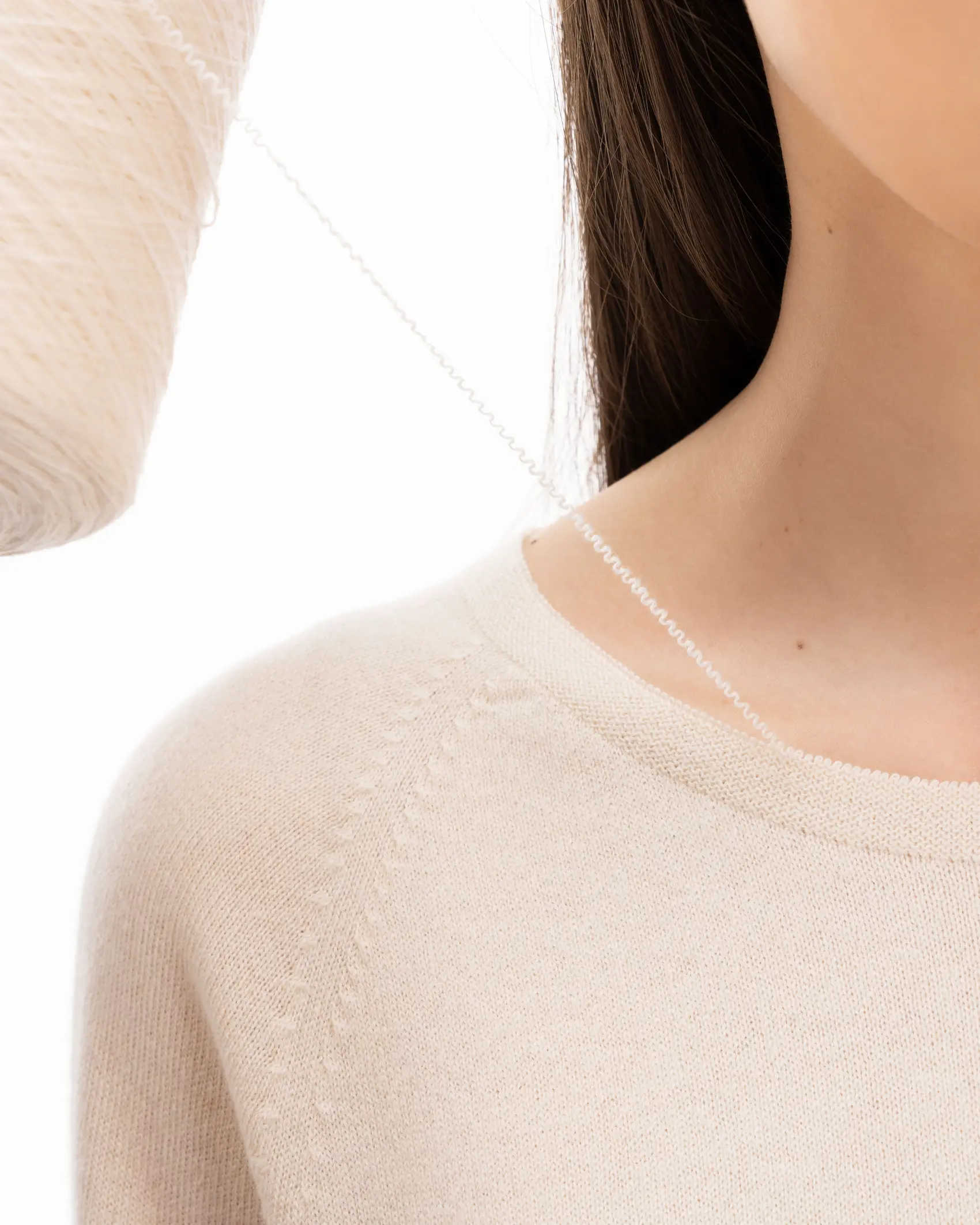
In cashmere, ply refers to the number of individual yarn strands twisted together to form one thread. This structural choice determines how dense or light the knit becomes and how the sweater behaves in different conditions. Understanding ply helps you choose a sweater that fits your climate, lifestyle, and personal comfort preferences.
Gobi cashmere

Why Ply Matters in Cashmere

Ply affects several key characteristics of a sweater:
  • Warmth: More strands create thicker insulation
  • Weight: Higher ply adds substance and heft
  • Durability: Multiple strands improve strength and resistance to wear
  • Texture: Ply influences how smooth or substantial the knit feels
A well-made sweater balances ply with fiber quality and knit structure, resulting in a garment that feels good and lasts longer.

What Does 2-Ply Cashmere Mean?

A 2-ply cashmere sweater is constructed by twisting two strands of yarn together before knitting. This is the most common choice in premium cashmere because it offers versatility without sacrificing comfort.
Why 2-ply works so well
  • Soft and smooth against the skin
  • Lightweight and breathable
  • Warm without feeling bulky
  • Holds its shape better than single-ply
  • Suitable for layering or standalone wear
For many people, 2-ply cashmere provides the ideal balance between everyday comfort and long-term durability.
Gobi cashmere

Understanding 3-Ply and 4-Ply Cashmere

As ply increases, sweaters become noticeably thicker and warmer. 3-ply and 4-ply cashmere sweaters are designed for colder temperatures or for those who prefer a heavier knit.
Key advantages
  • Improved insulation for winter wear
  • More structured, substantial feel
  • Better resistance to stretching and pilling
  • Longer lifespan with frequent use
These sweaters are particularly popular in colder regions or as outer layers during winter months.

High-Ply Cashmere: 6-Ply, 8-Ply, and 12-Ply

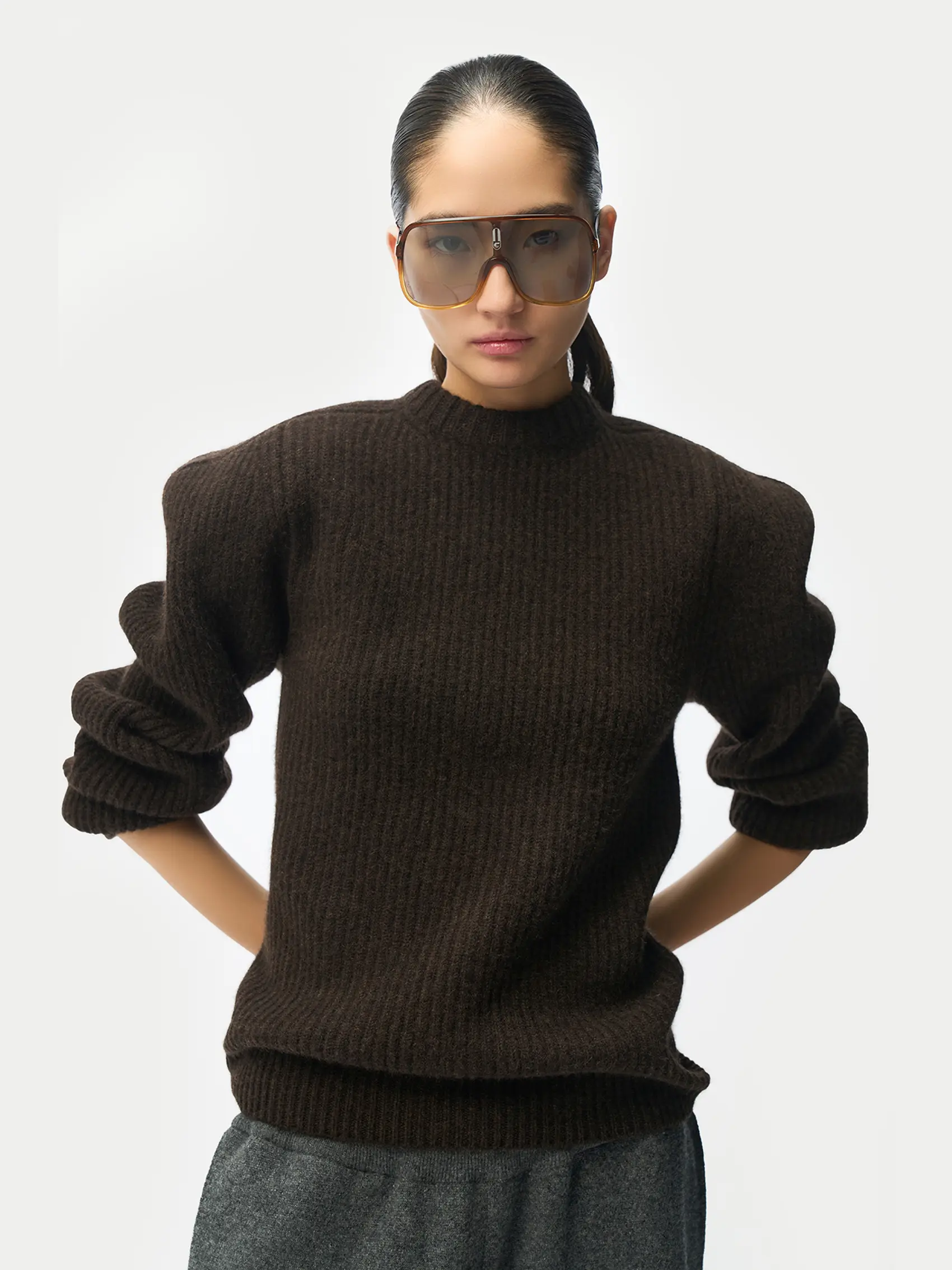
High-ply cashmere sits at the luxury end of the spectrum. Sweaters made with 6-ply or more yarn strands are rare and designed for maximum warmth.
What sets high-ply apart
  • Exceptional insulation in extreme cold
  • Dense, plush texture
  • Heavyweight feels that drapes differently on the body
  • Premium construction and exclusivity
Because of their weight and warmth, high-ply sweaters are best suited for cold climates or limited outdoor wear rather than everyday layering.

Cashmere Ply vs. Gauge: What’s the Difference?

While ply refers to yarn construction, gauge describes stitch density. A lower gauge means fewer stitches per inch, resulting in a chunkier knit, while a higher gauge produces a finer, lighter fabric.
For example:
  • A 2-ply, low-gauge sweater feels thick and warm
  • A 2-ply, high-gauge sweater feels lighter and more refined
Understanding both factors helps you better predict how a sweater will feel and perform.

How to Choose the Right Ply for You

  • Everyday wear: 2-ply cashmere for comfort and versatility
  • Cold weather: 3-ply or 4-ply for added warmth
  • Extreme cold or statement pieces: High-ply options for maximum insulation
The right ply ultimately depends on how and where you plan to wear your sweater.

FAQs


What does ply mean in cashmere sweaters?

Ply refers to how many yarn strands are twisted together, affecting warmth, weight, and durability.

Which ply is best for everyday wear?

2-ply cashmere offers the best balance of softness, warmth, and lightness for daily use.

Is higher-ply cashmere always better?

Not necessarily. A higher ply means more warmth, but fiber quality matters more for softness and longevity.

Does a higher ply make cashmere last longer?

Often yes, as additional strands improve strength and resistance to wear.

Is single-ply cashmere lower quality?

Single-ply can be soft but is usually less durable and more prone to pilling.

Does ply affect breathability?

Yes. Lower ply sweaters are generally more breathable and lighter.
Free Shipping on Orders over $199
Very simple, 14 days return policy
Without Risk & Simple Payment
All our collections are 100% made in Mongolia