FAQs
What is Tsagaan Sar?
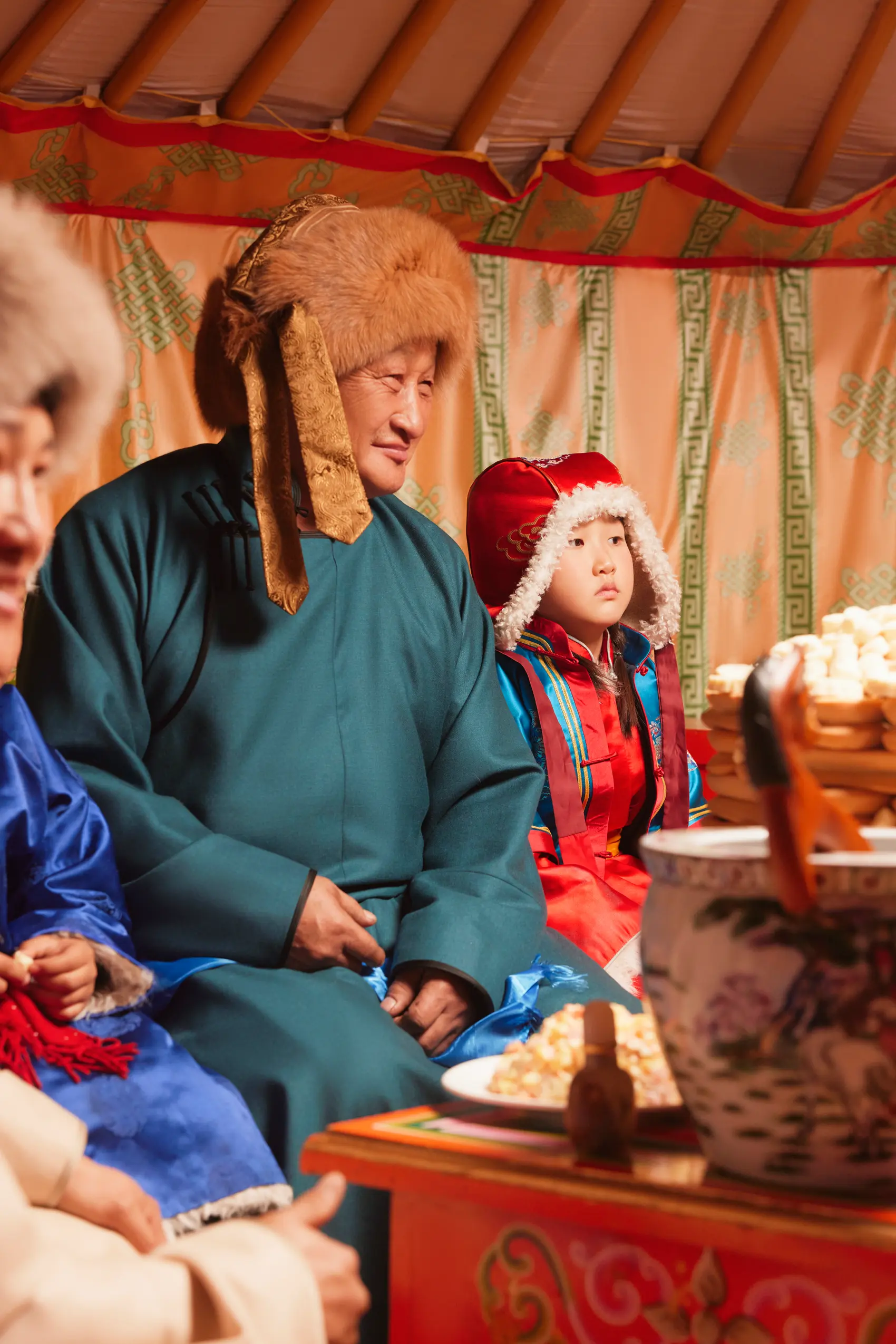
Tsagaan Sar Mongolian Lunar New Year is the most important traditional holiday in Mongolia. Translated as “White Moon,” it marks the end of winter and the beginning of spring, symbolizing renewal, purity, and a fresh start to the year. Deeply rooted in Mongolia’s nomadic heritage, Tsagaan Sar is a time for families to reunite, honor elders, strengthen family bonds, and welcome prosperity and harmony for the coming year.
Why is it called the Year of the Horse?
The Mongolian Lunar calendar follows a 12-year animal zodiac cycle. Each year is named after an animal, such as the Horse, Dragon, Tiger, or Rabbit. When a year is called the “Year of the Horse,” it means that the lunar calendar cycle corresponds to that specific zodiac animal.
When is the Mongolian Lunar New Year celebrated?
The Mongolian Lunar New Year date is determined by the lunar calendar. Tsagaan Sar is celebrated on the first three days of the first lunar month, typically falling between late January and early March. Because it follows the lunar cycle, the exact date changes every year.
What traditions are part of Tsagaan Sar?
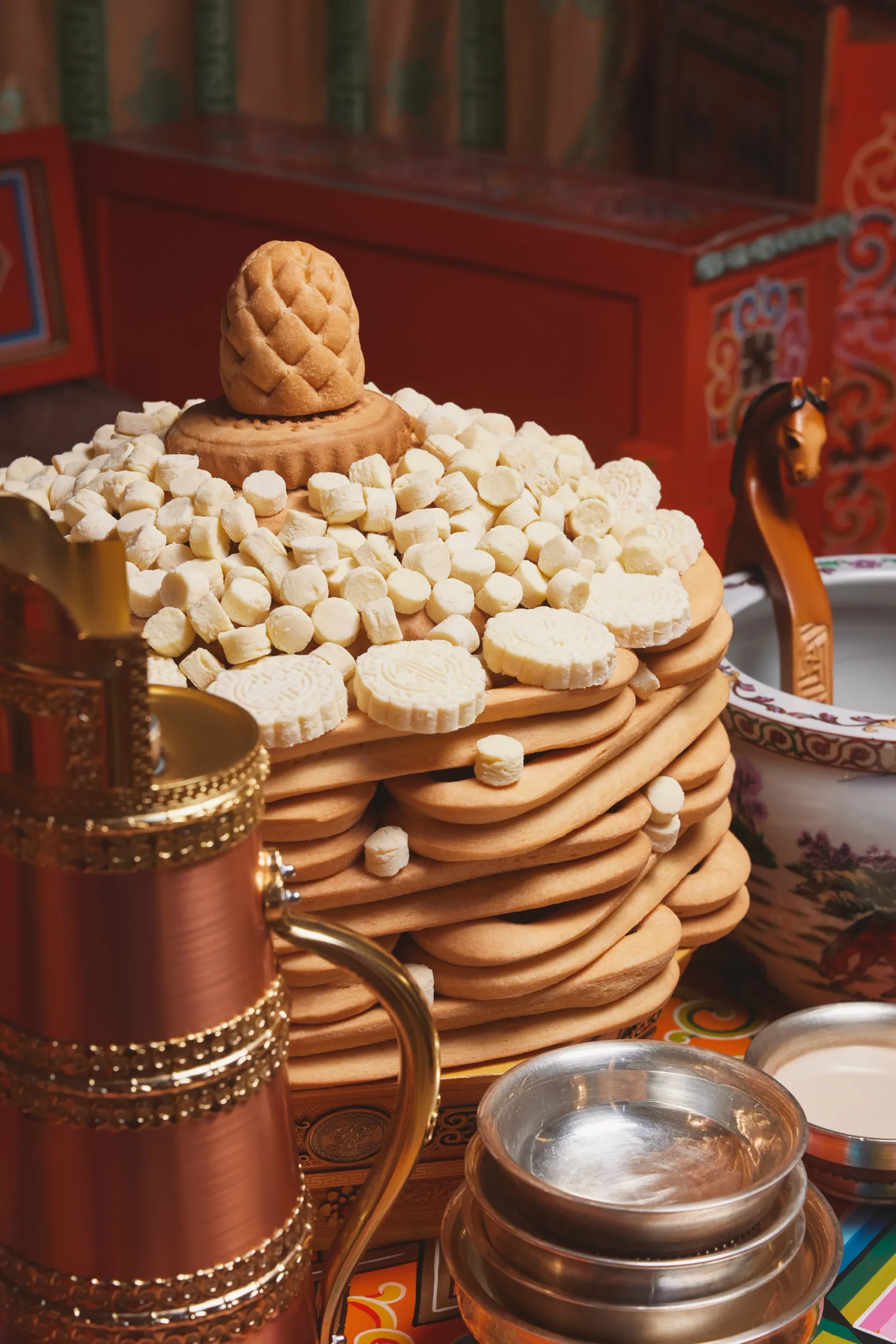
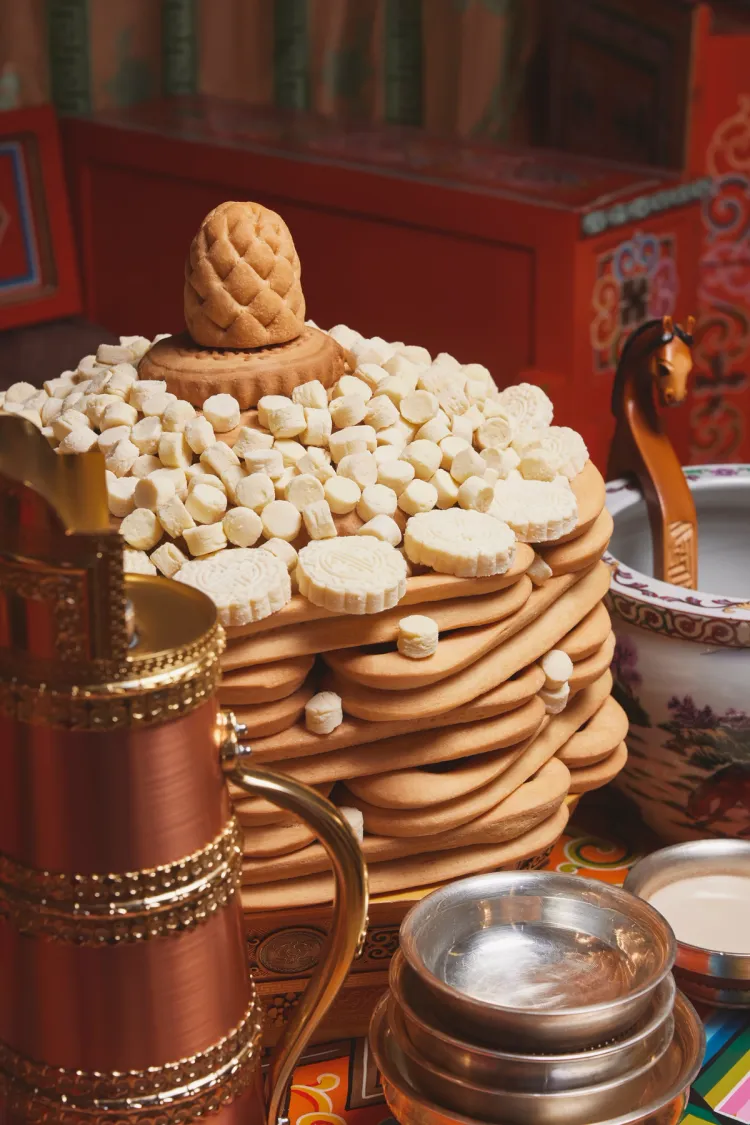
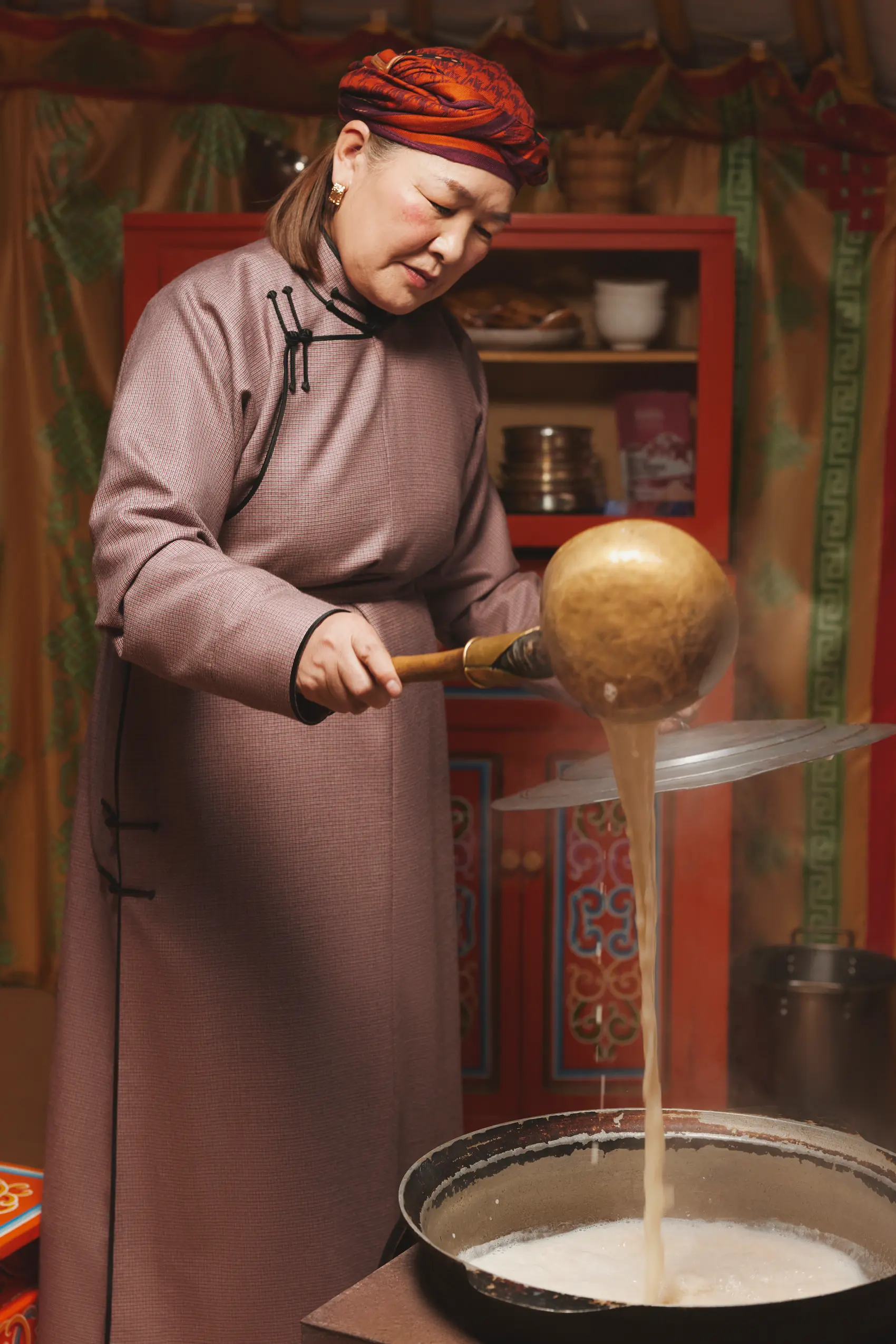
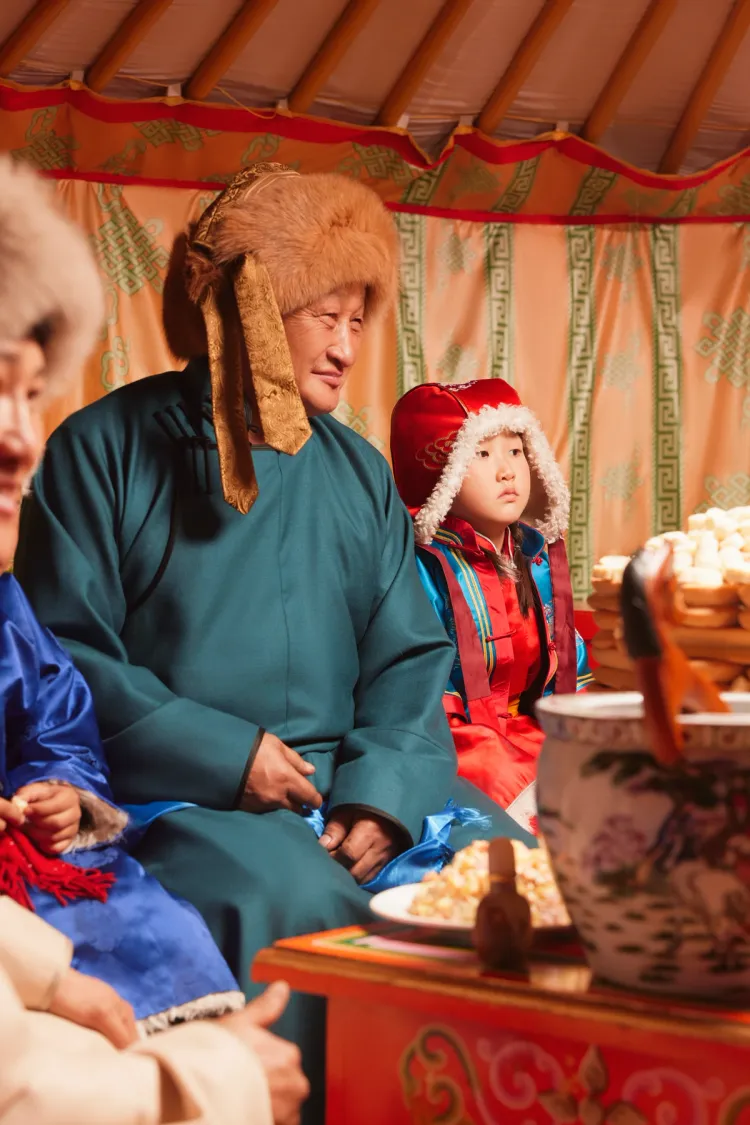
The Tsagaan Sar customs and traditions include preparing large quantities of traditional foods such as buuz (steamed dumplings), arranging the ceremonial feast table with idee (stacked pastries) and uuts (whole lamb), and performing zolgolt, a respectful greeting ritual where younger people greet elders by supporting their elbows. Families wear traditional clothing such as the deel, give small gifts to guests, drink airag or tea, and avoid conflict during the holiday, as it is believed that one’s actions during Tsagaan Sar shape the rest of the year.
How do families celebrate together in the US?
Mongolian families living in the United States continue to celebrate Tsagaan Sar by adapting traditions to their environment. They gather at home or in community centers, prepare traditional dishes, perform zolgolt with elders, and exchange gifts. Many also connect virtually with relatives in Mongolia to maintain family ties.