Back

Why Ultra-Soft Cashmere Is Trending Over Wool in 2025/26

January 9, 2026

Uchral Amar

Director of Design Development Department

Uchral Amar

Director of Design Development Department

With over a decade at GOBI Cashmere, Uchral has devoted her career to designing exquisite knitwear. Beginning as a textile designer, she went on to lead the design division and now directs design development. Her extensive expertise in fashion design, coupled with years of hands-on experience, enables her to craft timeless, high-quality cashmere pieces that seamlessly fuse tradition with modern innovation. She offers expert insights into cashmere fashion, design trends, the creative journey behind each garment, as well as how to wear, care for, and fully appreciate cashmere.

Author Profile

SHARE THIS

Winter style in the United States is undergoing a quiet transformation. While wool has long been a seasonal staple, today’s consumers are choosing lighter, softer, and more ethical alternatives, making cashmere vs wool one of the most talked-about comparisons in 2025/26.
With rising interest in comfort-centered fashion and a growing appreciation for sustainable luxury, ultra-soft cashmere is becoming the preferred choice for cold-weather wardrobes. From the featherlight feel to the exceptional insulation, cashmere offers a blend of softness, warmth, and refinement that modern shoppers can’t resist.
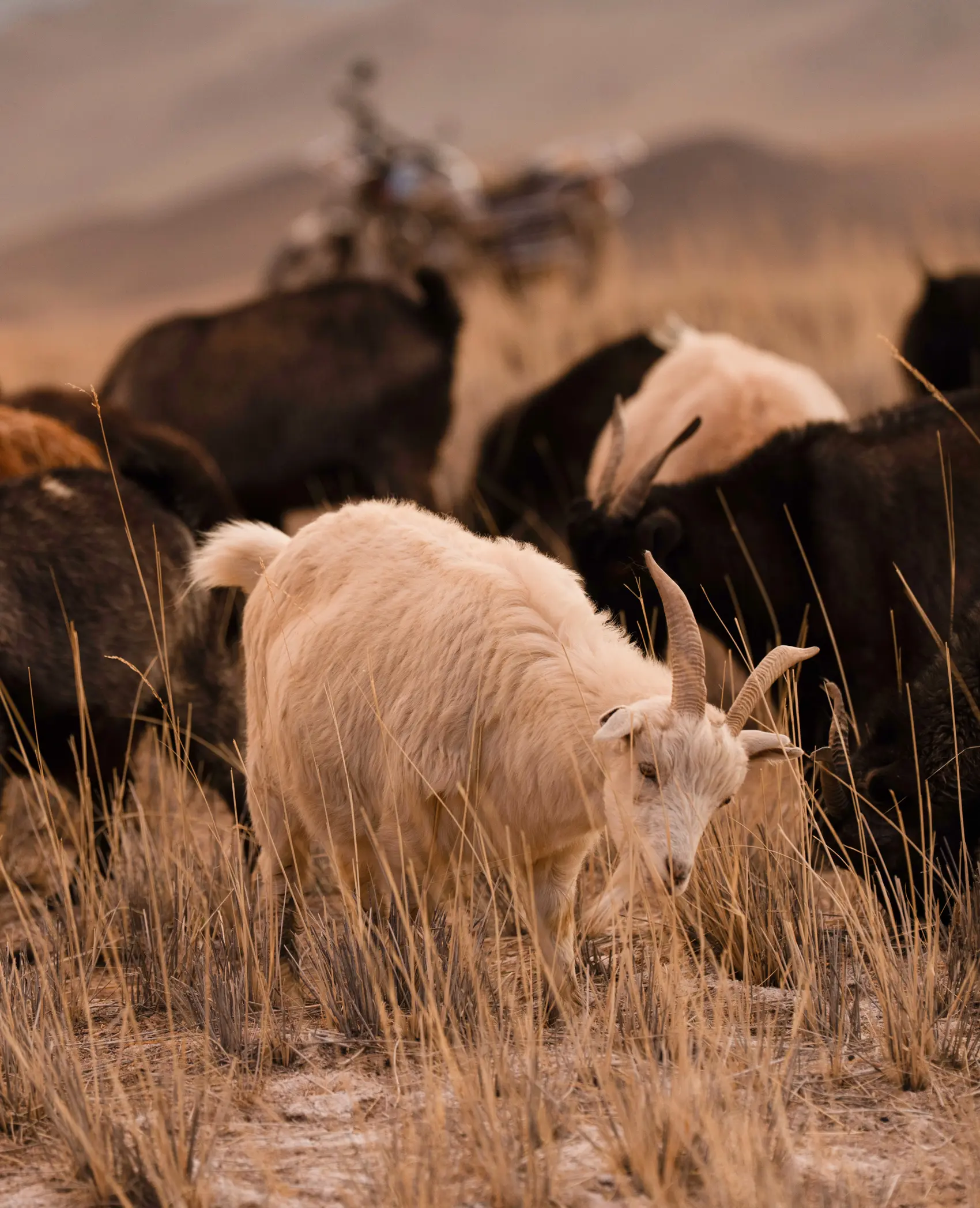
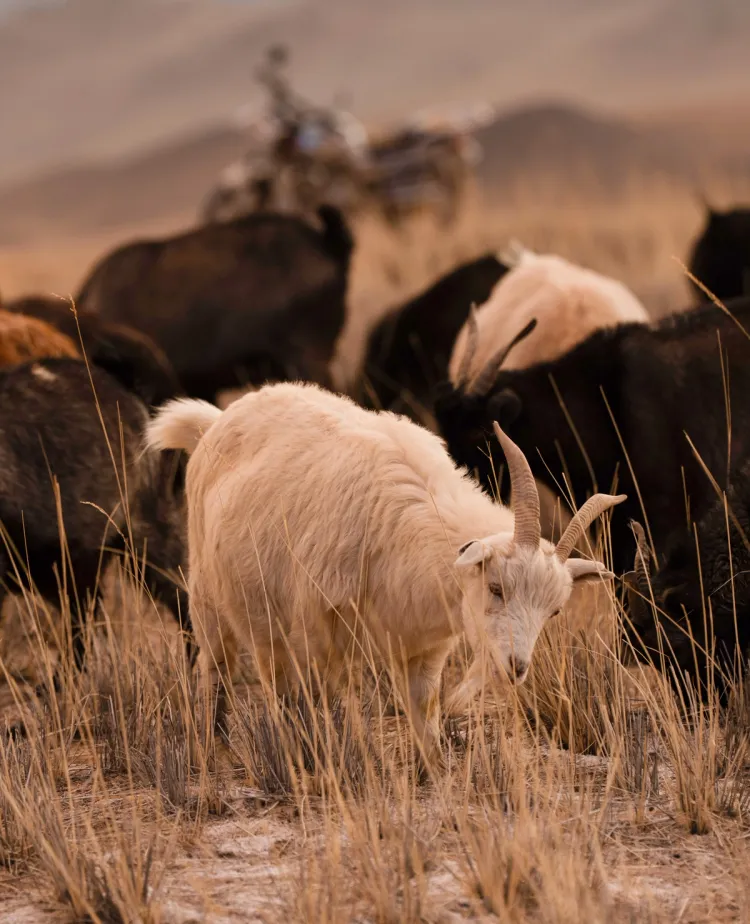
Gobi cashmere

Cashmere vs Wool: What’s the Real Difference?

Understanding the renewed interest in cashmere begins with examining how it differs from wool. At first glance, both materials provide winter warmth, but their origins and fiber qualities set them apart significantly.

Fiber Thickness & Softness Comparison

The biggest reason consumers ask, “Is cashmere softer than wool?” is the difference in micron count. Standard wool ranges from 25–40 microns, and even fine Merino usually clocks in at 19–24, whereas cashmere is 14–18. Finer fibers mean a smoother, softer touch, creating the signature cashmere softness people love. When wearing a soft cashmere sweater, the difference is immediate: the fabric feels cloud-light and luxurious against the skin.

Why Wool Often Feels Itchy

Many people wonder, “Why does wool itch while cashmere doesn’t?” The answer lies in coarser wool fibers and lanolin content, which can irritate sensitive skin. This makes hypoallergenic cashmere vs itchy wool a decisive factor, especially for shoppers seeking comfort without compromise. Cashmere’s natural absence of lanolin provides a calmer, irritation-free wearing experience.

Why Cashmere Is Softer, Lighter & Warmer — The Science Behind It

The surprising truth is that cashmere is not only softer than wool, but it’s warmer, too.
Cashmere’s insulating power comes from its unique crimp and loft, which trap heat more efficiently than wool’s solid fibers. This creates a superior warmth-to-weight ratio, explaining why consumers now prefer lightweight warmth cashmere vs wool winter layers. A single cashmere sweater often delivers the same insulation as multiple wool layers, making it ideal for unpredictable US winters.
This natural efficiency is also why many shoppers choose cashmere sweaters for mild winter days: they’re warm without the heaviness associated with wool coats or thick knits.
Gobi cashmere

Comfort Matters — Why Ultra-Soft Cashmere Wins Consumer Choice

As lifestyle shifts continue across the country, comfort is becoming a top priority. In 2025/26, consumers want wardrobe essentials that offer flexibility, softness, and year-round versatility, qualities that cashmere delivers effortlessly.

Soft Cashmere Sweaters for Mild Winters

Younger shoppers, especially in cities with transitional climates, prefer breathable and lightweight layers. A soft cashmere sweater is the answer: polished enough for work, cozy enough for home, and warm enough for cool evenings. This versatility makes cashmere one of the best winter sweater material choices for modern living.

Hypoallergenic Advantages Over Wool

For those with sensitivities, hypoallergenic cashmere vs itchy wool is a clear win. Cashmere’s smoother fibers reduce irritation, making it a favorite for people who want warmth without discomfort.

Style Trends: Cashmere as a Winter Essential in 2025/26

With the rise of minimalist luxury, cashmere is experiencing a major resurgence. The 2025/26 fashion landscape highlights ease, elegance, and elevated basics, perfect conditions for a cashmere takeover.

Cashmere Wardrobe Staples Growing in Popularity

From knitted dresses to relaxed weekend layers, the cashmere wardrobe is expanding. The new winter essentials include:
  • Elevated pullovers
  • Refined cardigans
  • Soft scarves
  • Lightweight outerwear
Consumers now see cashmere not just as a luxury item but as a cashmere winter essentials category that transitions seamlessly across seasons.
Gobi cashmere

The Rise of Ethical Cashmere & Responsible Fashion

As sustainability becomes a leading concern in the US fashion market, demand for ethical cashmere is growing rapidly. Consumers are turning away from mass-produced, environmentally taxing wool and opting for materials that support responsible herding, humane treatment of animals, and eco-friendly production.
This growing awareness strengthens the overall preference in the cashmere vs wool benefits conversation; cashmere wins on both performance and sustainability.

Is Cashmere Worth It Over Wool? A Practical Comparison

Many shoppers ask: “Is cashmere worth it over wool?” The answer becomes clear when looking at longevity, comfort, and cost-per-wear.
  • Cashmere maintains its softness for years with proper care
  • It resists bulkiness and maintains shape
  • Comfort level remains consistently superior
  • A single cashmere sweater can replace multiple wool layers
The benefits of cashmere sweaters over wool coats make them a smart investment—especially for those who value warmth without weight.
Beyond clothing, cashmere’s durability makes it ideal for accessories, travel layers, and everyday wear that require resilience without sacrificing softness.

The Best Cashmere Picks for Winter 2025/26

This season’s must-haves include the essentials that best embody the warmth of cashmere vs wool advantage:
  • Light yet warm pullovers
  • Ultra-soft cardigans
  • Cashmere scarves for layering
  • Refined sweaters for travel and work
  • Lightweight winter knits for transitional climates
As consumers lean toward comforting, wearable luxury, these pieces are defining the era of modern winter dressing.
In the evolving landscape of 2025/26, ultra-soft cashmere stands out as the future of winter luxury. As shoppers seek materials that offer warmth, softness, breathability, and ethical origins, cashmere continues to outperform wool on every level. From unparalleled comfort to sustainability, cashmere proves to be the ultimate fusion of modern style and timeless craftsmanship. For those building a more refined cold-weather wardrobe, the shift from wool to cashmere isn’t just a trend; it’s a long-term investment in quality and everyday luxury.

FAQs

Why is cashmere better than wool for winter?

Cashmere provides superior softness, a higher warmth-to-weight ratio, and hypoallergenic comfort, making it far more comfortable and efficient than wool for winter layering.

Is cashmere warm enough for cold US winters?

Yes. Thanks to its hollow fibers, cashmere offers exceptional insulation while remaining lightweight, ideal for both mild and colder regions across the US.

Does wool cause itching, while cashmere doesn’t?

Wool’s coarser fibers and lanolin content often irritate the skin. Cashmere is naturally finer and lanolin-free, offering a smooth, itch-free experience.

Is cashmere a good choice for people with sensitive skin?

Absolutely. Cashmere’s softness and hypoallergenic nature make it one of the best materials for sensitive or easily irritated skin.

Is ethical cashmere available, and how is it sourced?

Yes. Ethical cashmere comes from humane herding practices, responsible grazing, and eco-friendly production, ensuring sustainability from farm to finish.
Free Shipping on Orders over $199
Very simple, 14 days return policy
Without Risk & Simple Payment
All our collections are 100% made in Mongolia