Back

Tsagaan Sar: A Guide to the Mongolian Lunar New Year

February 13, 2026

Ariunzul Enkhbaatar

Head of Sustainable Development Department

Ariunzul Enkhbaatar

Head of Sustainable Development Department

As the Head of the Sustainable Development Division at GOBI Cashmere, Ariunzul is dedicated to ensuring responsible and ethical practices across every step of cashmere production. She leads efforts in environmental protection, social responsibility, and ethical governance while working closely with herders to support sustainable sourcing.
Passionate about Mongolian culture and the lives of the herders who make cashmere possible, she shares stories about their traditions, the craftsmanship behind cashmere garments, and how GOBI Cashmere upholds its commitment to sustainability.

Author Profile

SHARE THIS

Since Tsagaan Sar is just a few days away, we’ve made a guide for anyone who might be unfamiliar with this holiday. This year, the holiday is set to take place from February 18 to 20 to welcome the Year of the Fire Horse.
Read on to learn everything you need to know about Tsagaan Sar, the Mongolian Lunar New Year.
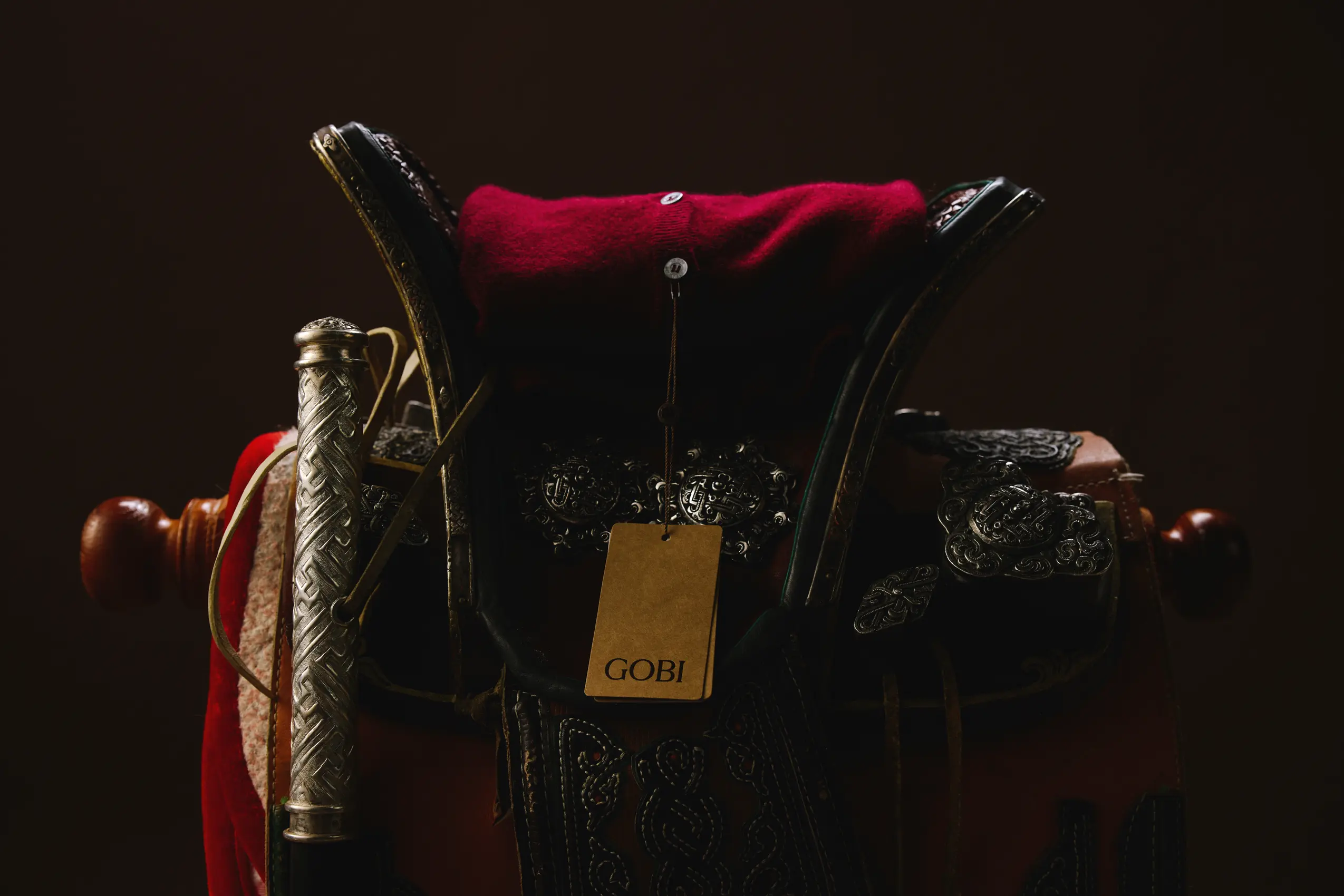
Cashmere cardigan placed on a Mongolian Traditional Ceremonial horse saddle | GOBI Cashmere

What Is Tsagaan Sar?

Translated as “White Moon,” Tsagaan Sar is one of the most important celebrations in Mongolia. It marks the end of winter and the beginning of spring — the start of a new year’s cycle. After a long, harsh, and exhausting winter, Mongolian nomads traditionally celebrated the arrival of spring by bringing festivity into their homes and reuniting with both immediate and extended family members.

This heartwarming celebration usually coincides with other Lunar New Year celebrations as it occurs from the first three days of the first lunar month, typically falling between late January and early March. Because it follows the lunar cycle, the exact date changes each year. However, Tsagaan Sar is a uniquely Mongolian annual celebration rooted deeply in traditional values.

As nomads who constantly traveled in search of fresh pastures for their livestock, Mongolians often did not see their relatives for months or even years. Tsagaan Sar therefore became an important family celebration that encourages people to visit relatives and distant family members, nurture and strengthen family ties, and bond with new members such as in-laws and newborns. It is a sacred time to pay respect to elders, wish them good health, and learn more about the traditions and customs of the country.

Origin

Historical records indicate that Mongolians originally celebrated Tsagaan Sar in autumn, dating back to the establishment of statehood, under the name “Tsagaan Ideenii Bayar” (White Feast Festival). Later, in 1206, Mongolia’s greatest ruler, Chinggis Khaan, decreed that the festival be celebrated at the beginning of spring, when the weather becomes warmer, plants begin to bloom, and livestock give birth.

In the 17th century, Tsagaan Sar incorporated religious elements, evolving into the celebration we know today. The color white symbolizes sincerity and happiness in Mongolia, which is why the celebration is called Tsagaan Sar, meaning “White Month” or “White Moon.” Today, it is an official public holiday lasting three days, although the festivities and family visits often continue longer.
Gobi cashmere

Pre-Holiday Rituals

There is much to prepare before Tsagaan Sar, including food, traditional pastries, gifts, and clothing. Families usually spend weeks preparing, particularly because they must make one of the key dishes: buuz.
Buuz are steamed dumplings filled with meat. They are ideal for large celebrations such as Tsagaan Sar because they can be prepared in large quantities in advance and stored in the freezer until guests arrive. They take only about 20 minutes to steam and are both delicious and convenient. The flour wrapping helps retain warmth for longer.
Families may prepare around 2,000 pieces of buuz, depending on the size of the household and the expected number of guests. Children, parents, and grandparents gather together to carefully fold the dumplings — a skill that takes years to master. Sometimes cleaned coins are placed inside a few buuz to determine who will have the most luck and fortune in the coming year.
Gobi cashmere

Traditional clothing – "Deel"


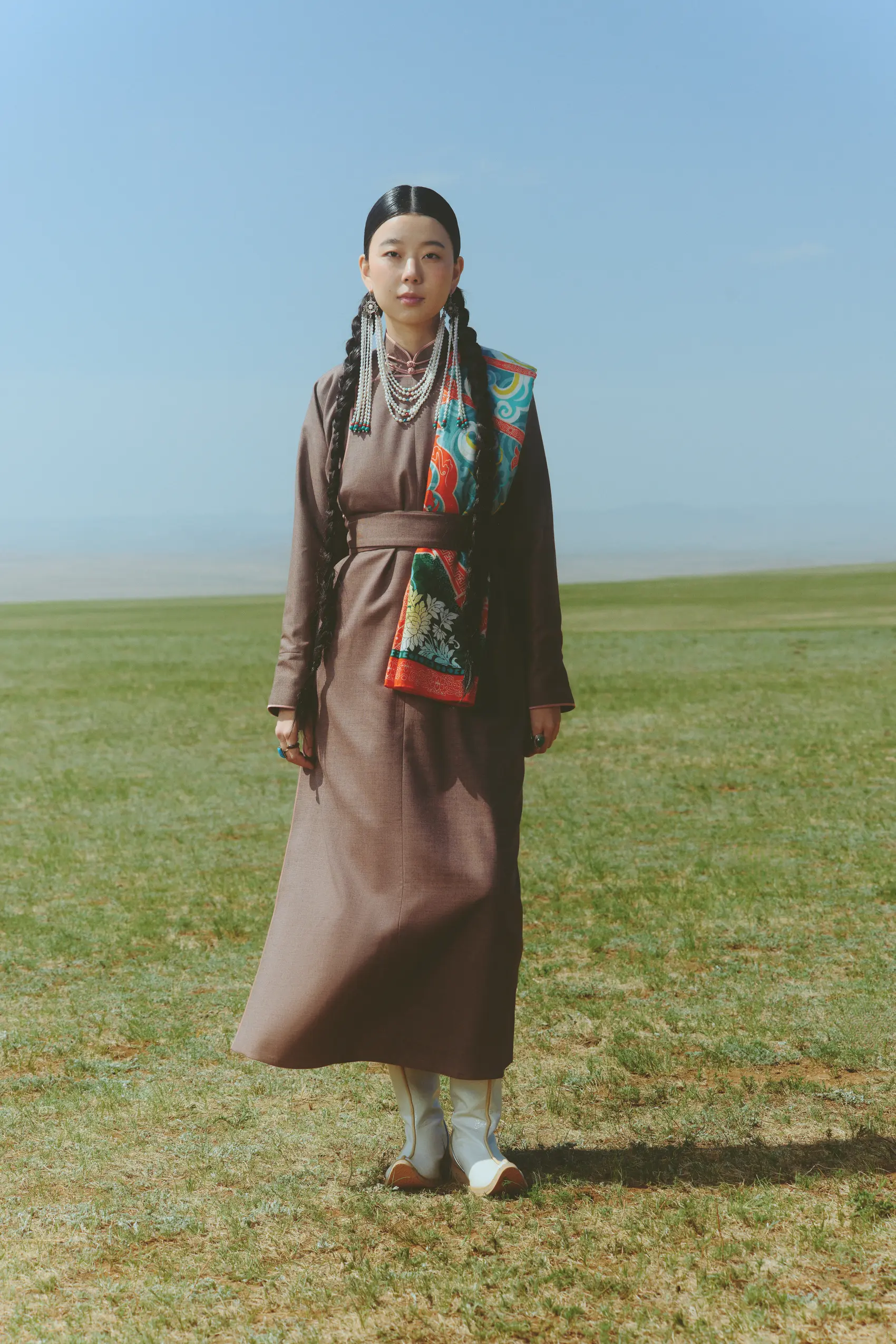
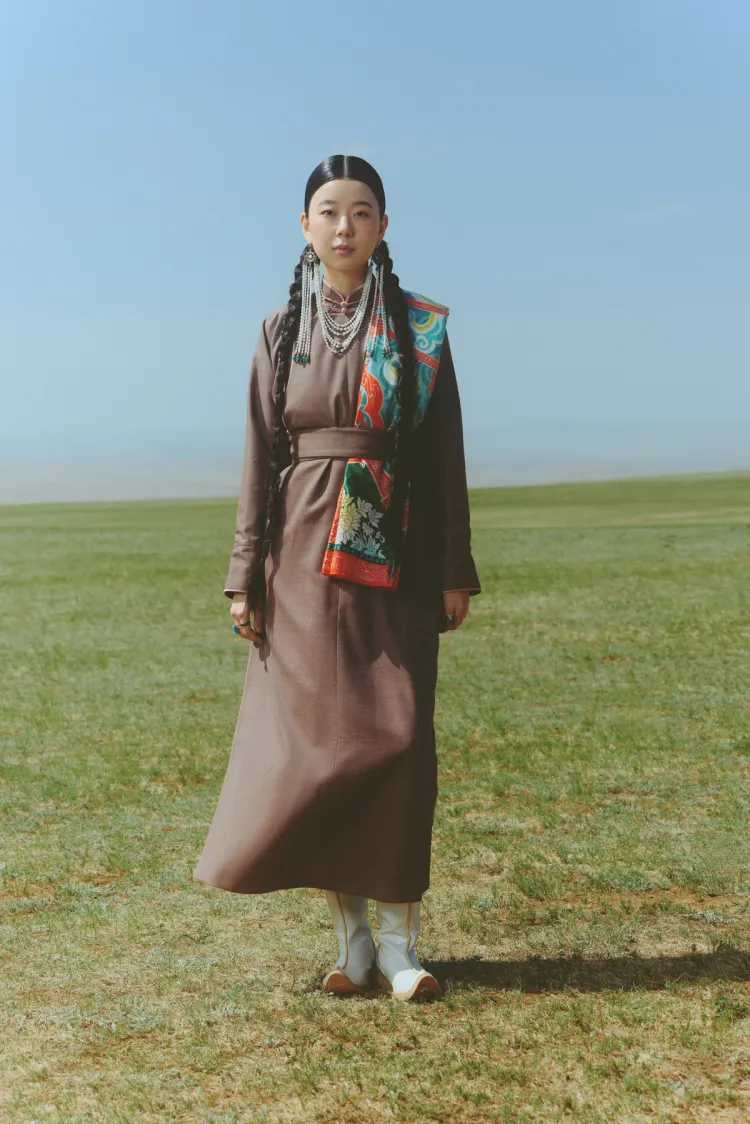
Clothing is another important preparation. Mongolians prefer to wear new outfits during visits because it symbolizes starting the new year afresh. They also wish to present themselves well when visiting relatives. The traditional Mongolian garment, the deel, along with other traditional attire, has been worn for centuries during Tsagaan Sar. Although Western clothing once became popular for comfort and mobility, there has been a renewed interest in traditional designs as local brands introduce modern interpretations.

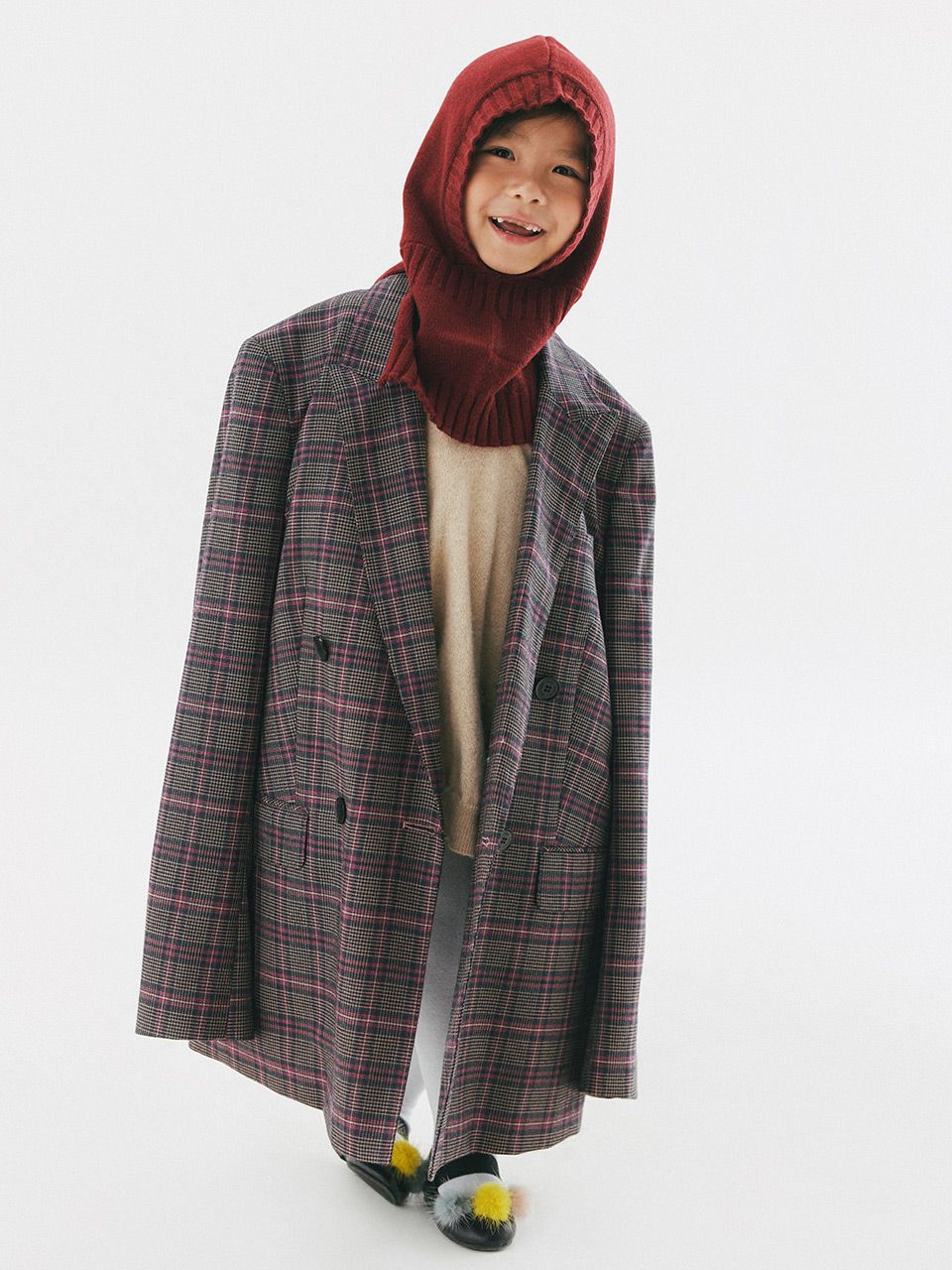
Cashmere garments are also especially popular. Whether scarves, dresses, or sweaters, cashmere is favored because it exudes elegance while providing warmth during the still-chilly early spring.

Bituun – The Eve of Tsagaan Sar

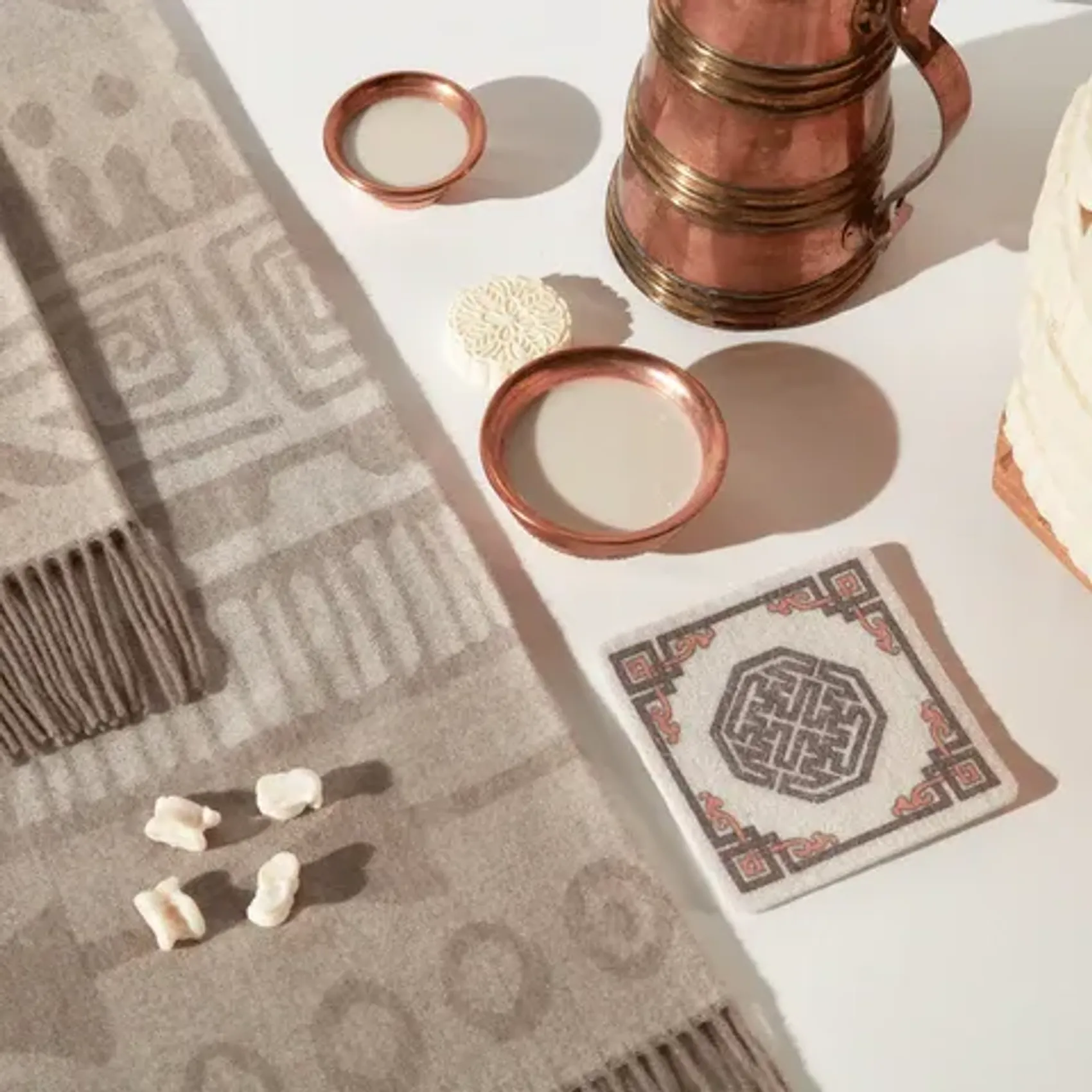
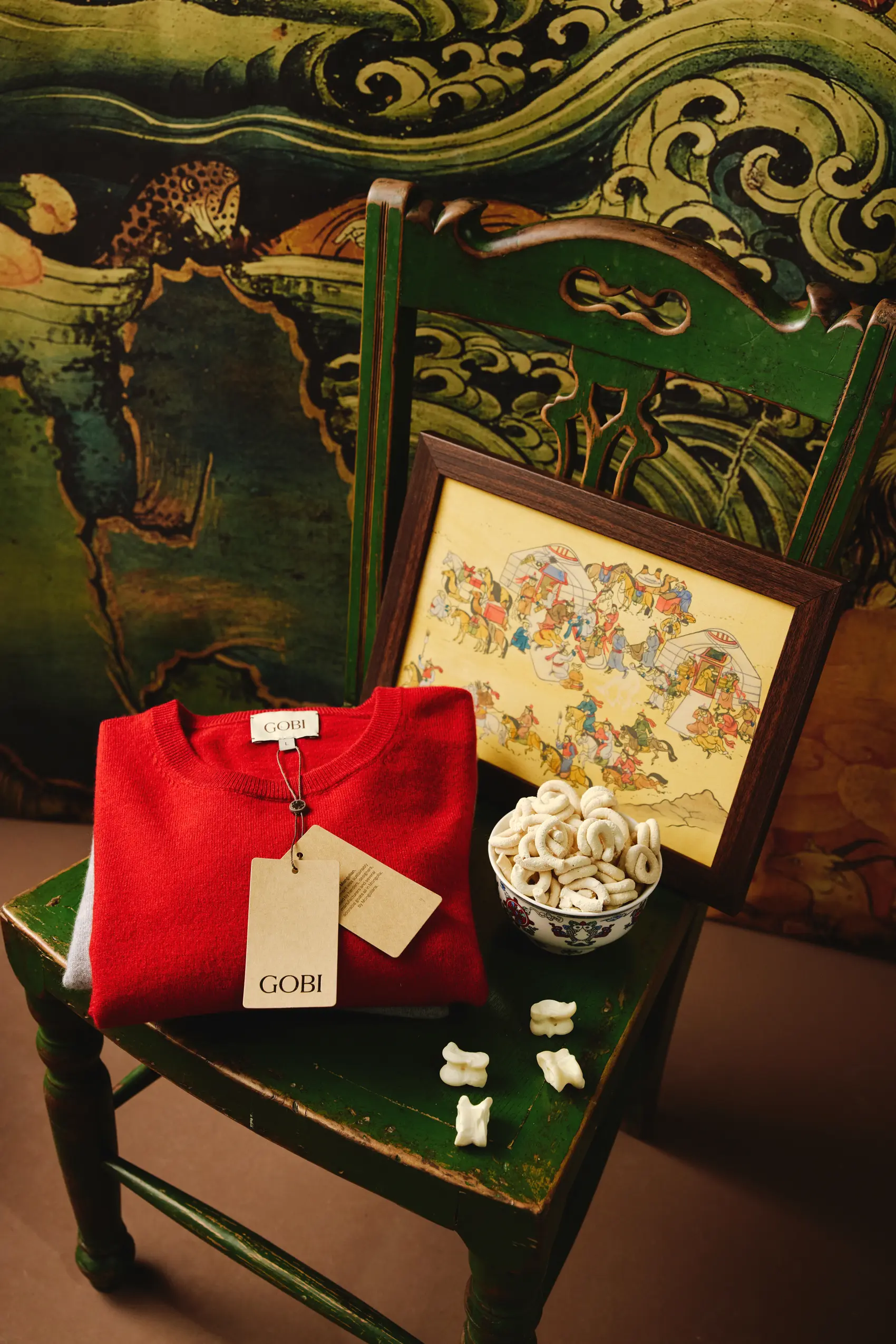
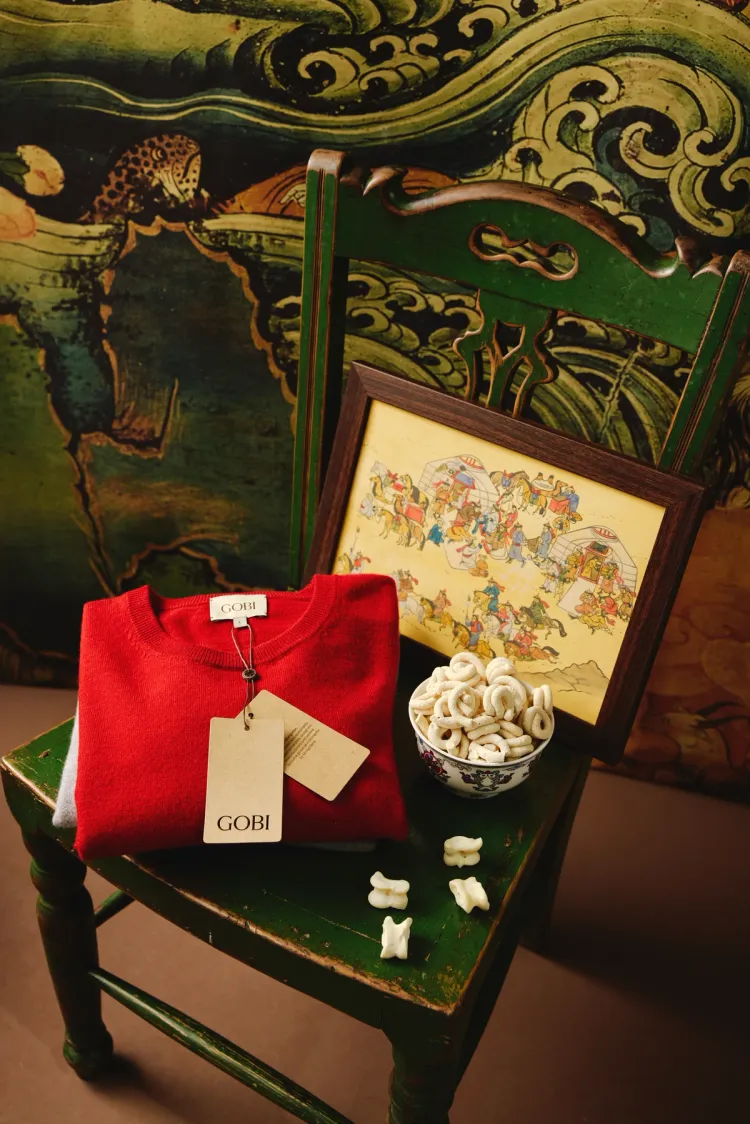
The day before Tsagaan Sar is called Bituun. It is customary to complete all cleaning and preparations on this day and to eat until one is full, symbolizing a fortunate end to the year. Families prepare the feast table, with the idee and uuts as focal points. Idee consists of stacked traditional long pastries called ul boov and is essential to the ceremonial table. The pastries are stacked in odd-numbered tiers. Traditionally, the first layer represents happiness and fortune, the second sadness and hardship, alternating upward. Only white or light-colored foods such as white nuts, cheese, sugar cubes, candies, urum (clotted cream), and aaruul (dried curd) are used to decorate the idee, reflecting the symbolism of purity associated with the White Moon.

Uuts is a whole cooked lamb’s back with fatty tail and is an essential element of the feast. The larger and fattier the cut, the more it symbolizes the household’s prosperity and the healthy condition of their livestock after winter. Additional cuts such as lamb’s breast, foreleg, hind leg, and cervical vertebrae are arranged on top. There are also important customs to follow on Bituun. People are encouraged to repay debts, apologize for past mistakes, and resolve conflicts before the new year begins. It is important to stay at home to properly bid farewell to the old year. Certain actions are considered taboo, such as throwing dirty water outside, calling infants by their names, spending the night away from home, starving, or arguing. According to tradition, a local deity named Baldanlkham rides her mule on the eve of Tsagaan Sar. As she makes three rounds to each household, families place three pieces of ice on top of the ger door or on their balcony for the mule to drink.
Gobi cashmere

The Celebration

On the first day of Tsagaan Sar, everyone wakes early to greet the eldest or head of the family. Some people climb nearby hills or mountains to witness the first sunrise of the new year and renew their energy. The traditional greeting ritual, zolgolt, is performed with deep respect. Younger individuals place both hands beneath the elders’ elbows, symbolizing support and reverence. This gesture is believed to provide strength for the elder in the coming year. Married couples do not perform zolgolt with one another, as they are considered one unit.
Visits begin at the home of the eldest family member, and greetings follow genealogical order. Traditionally, white foods were offered, but today gifts or money are commonly presented. Elders are honored with a khadag, a ceremonial silk scarf. Instead of the usual greeting “Sain baina uu?” people say “Amar baina uu?” and inquire about one another’s well-being.
The first food tasted is tsagaalga, a dairy-based rice dish with raisins, sugar, and butter. Guests then sample foods from the idee, and the host distributes carved pieces of meat from the uuts. Traditionally, airag (fermented mare’s milk) is served, although today alcohol is also common. Mongolians believe that one’s actions and attitude during Tsagaan Sar influence the entire year. Therefore, conflict, arguments, excessive drinking, overspending, and wrongdoing are strongly discouraged.

Taboos of Tsagaan Sar

Certain actions are traditionally avoided during Tsagaan Sar. People should not wear black clothing, spend the night away from home, leave livestock out overnight, perform zolgolt between spouses, get a haircut, embroider or repair old clothes, borrow items, or take daytime naps. Even if unwell, one should greet guests.

Games and Gifts

When the whole family gathers, they spend time playing traditional games, singing folk songs, and telling stories. Many games played during Tsagaan Sar have been enjoyed for centuries and help children engagingly understand Mongolian culture.
Gift-giving is one of the most important traditions. Before guests leave, hosts present small gifts such as sweets, everyday items, clothing, socks, or money as tokens of appreciation for visiting.
Tsagaan Sar is a heartwarming celebration that welcomes the new year and strengthens family bonds. Even when circumstances prevent in-person visits, the tradition can be preserved through communication and connection in other ways. Tsagaan Sar remains a powerful symbol of renewal, unity, and prosperity.
We wish you a Happy Tsagaan Sar and a prosperous Lunar New Year ahead.

FAQs

What is Tsagaan Sar?

Tsagaan Sar Mongolian Lunar New Year is the most important traditional holiday in Mongolia. Translated as “White Moon,” it marks the end of winter and the beginning of spring, symbolizing renewal, purity, and the start of a new yearly cycle. Rooted in Mongolia’s nomadic heritage, Tsagaan Sar is a sacred time when families reunite after the long and harsh winter months. It is a celebration centered on honoring elders, strengthening family ties, expressing gratitude, and welcoming prosperity and harmony for the year ahead.

When is Tsagaan Sar celebrated?

The Mongolian New Year date is determined by the lunar calendar. Tsagaan Sar is celebrated on the first three days of the first lunar month, typically falling between late January and early March. Because it follows the lunar cycle, the exact date changes each year. Although it coincides with other Lunar New Year celebrations across Asia, Tsagaan Sar remains uniquely Mongolian in its customs, traditions, and symbolic meanings.

What are the main customs of Tsagaan Sar?

The Tsagaan Sar traditions and customs in Mongolia begin with Bituun, the New Year’s Eve, when families clean their homes, prepare traditional foods, settle debts, and arrange a ceremonial table with idee (stacked pastries) and uuts (whole cooked lamb), symbolizing prosperity. On the first day, people perform zolgolt, a respectful greeting where younger individuals support the elders’ elbows and say “Amar baina uu?” Traditional foods such as buuz and dairy products are served, and guests are given small gifts as a sign of appreciation and goodwill.

What traditional clothing is worn during Tsagaan Sar?

The Tsagaan Sar traditional Mongolian clothing reflects renewal, dignity, and cultural pride. Many people wear the deel, Mongolia’s traditional garment, often newly made or freshly tailored to symbolize a new beginning. Wearing new clothes during Tsagaan Sar represents starting the year with freshness and positivity. Elegant cashmere garments are also widely worn during the holiday because they provide warmth during the chilly early spring while expressing refinement and sophistication. Traditionally, black clothing is avoided, as white and light colors symbolize sincerity, happiness, and good fortune.

What games and activities are part of Tsagaan Sar?

Mongolian Tsagaan Sar family games and activities play an important role in bringing families closer together. When relatives gather, they spend time playing traditional games such as shagai, the ankle bone game that has been enjoyed for centuries. Families also sing folk songs, share stories, and talk about their history and heritage. These activities help children learn about Mongolian culture in an engaging and meaningful way while strengthening bonds between generations. Tsagaan Sar is not only about rituals and food, but also about joy, unity, and spending quality time with loved ones.
Free standard shipping within EU over €199 purchase
Very easy, 14 days return policy
Without Risk & Simple Payment
All our collections are 100% made in Mongolia