Back

A Guide to the Mongolian Lunar New Year

February 13, 2026

Ariunzul Enkhbaatar

Head of Sustainable Development Division

Ariunzul Enkhbaatar

Head of Sustainable Development Division

As the Head of the Sustainable Development Division at GOBI Cashmere, Ariunzul is committed to ensuring responsible and ethical practices at every stage of cashmere production. She leads initiatives in environmental protection, social responsibility, and ethical governance while working closely with herders to promote sustainable sourcing. Passionate about Mongolian culture and the livelihoods of the herders who make cashmere possible, she shares stories about their traditions, the craftsmanship behind cashmere garments, and how GOBI Cashmere upholds its dedication to sustainability.

Author Profile

SHARE THIS

Since Tsagaan Sar is just a few days away, we’ve made a guide for anyone who might be unfamiliar with this holiday. This year, the holiday is set to take place from February 18 to 20 to welcome the Year of the Fire Horse.
Read on to learn everything you need to know about Tsagaan Sar, the Mongolian Lunar New Year.


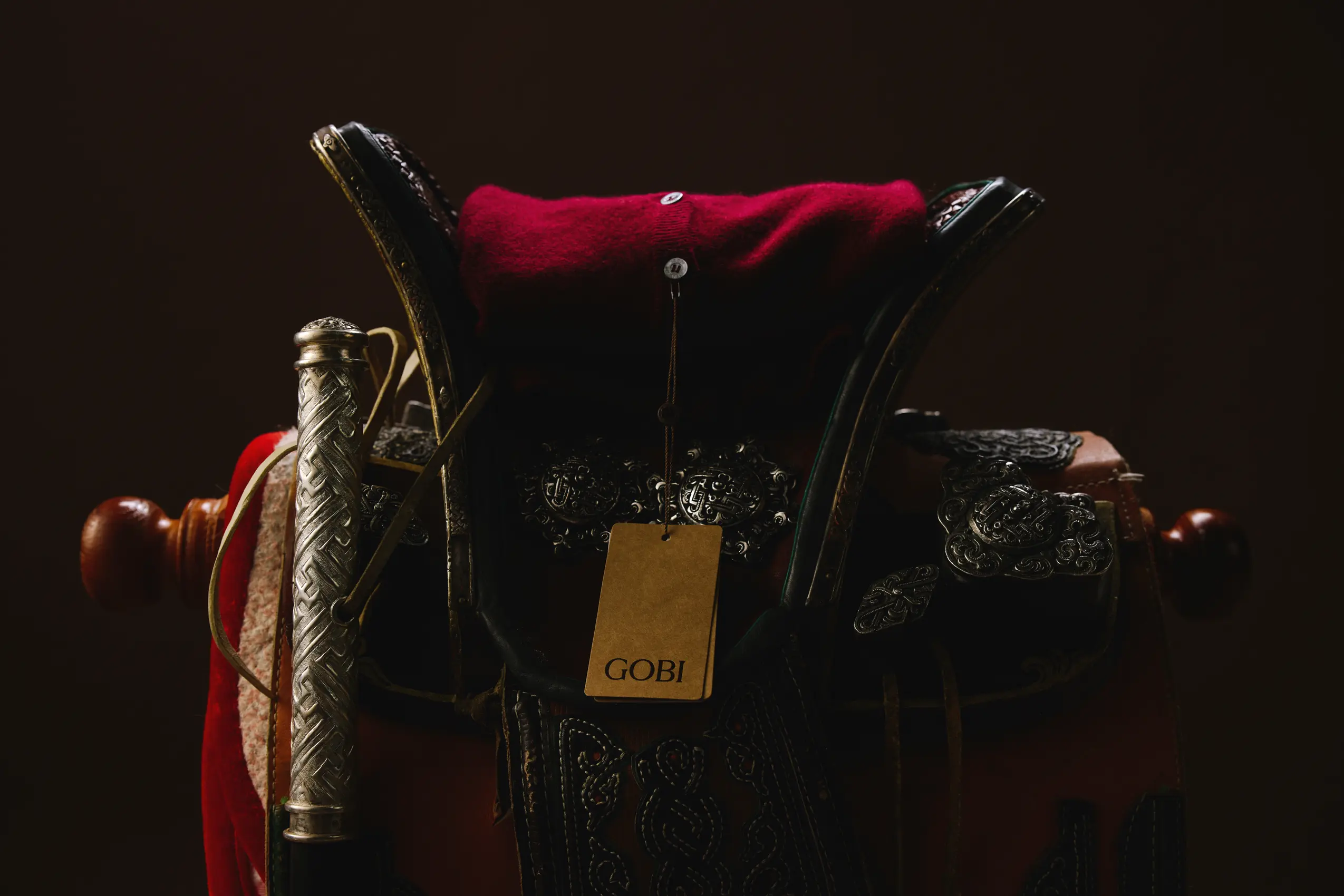
Cashmere cardigan on Mongolian horse saddle | GOBI Cashmere

What Is Tsagaan Sar?

Tsagaan Sar, translated as “White Moon”, is Mongolia’s most important traditional celebration. It marks the end of winter and the beginning of spring, symbolising renewal and the start of a new lunar year. Often referred to as the Tsagaan Sar Mongolian Lunar New Year, it is a time of family unity, respect, and cultural heritage.

After enduring Mongolia’s long and harsh winters, nomadic families historically welcomed spring with gratitude and celebration. As pastoralists who travelled vast distances in search of fresh pasture for their livestock, relatives could go months — sometimes even years — without meeting. Tsagaan Sar became the sacred occasion when extended families reunited, strengthened bonds, welcomed new members such as in-laws and newborns, and honoured their elders. Although it coincides with other Lunar New Year celebrations across Asia, Tsagaan Sar remains uniquely Mongolian in its customs, symbolism and traditions.

The Origins of Tsagaan Sar

Historical records show that early Mongolians once celebrated a festival called “Tsagaan Ideenii Bayar” (White Feast Festival) in autumn. In 1206, Chinggis Khaan declared that the celebration should instead mark the beginning of spring, when nature awakens and livestock give birth — a powerful symbol of renewal and prosperity.

By the 17th century, the celebration had incorporated religious elements and evolved into the form observed today. The colour white represents sincerity, purity and happiness in Mongolian culture, which is why the festival is called Tsagaan Sar, meaning “White Month” or “White Moon”. Today, Tsagaan Sar is an official public holiday lasting three days, although family visits and celebrations often continue well beyond that.
Gobi cashmere

Preparing for Tsagaan Sar

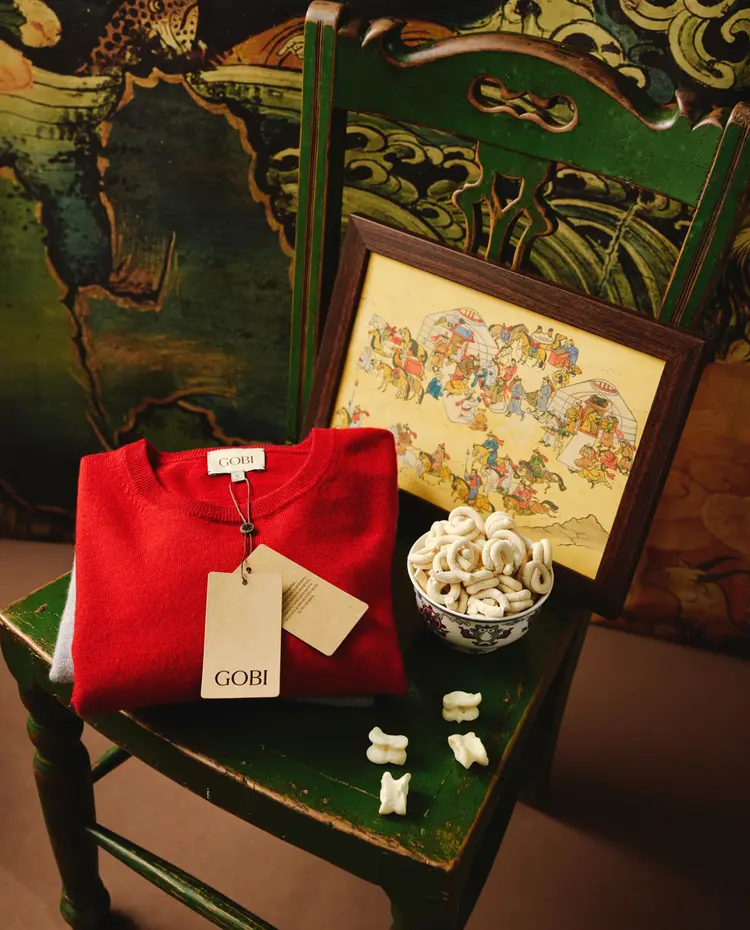
Preparation for Tsagaan Sar begins weeks in advance. Families carefully organise food, gifts, traditional pastries and new clothing. One of the most important dishes prepared is buuz, steamed dumplings filled with meat. Buuz are ideal for large gatherings as they can be made in large quantities and frozen in advance. Families may prepare up to 2,000 dumplings depending on how many visitors they expect. Making buuz is a communal activity involving children, parents and grandparents, and folding them neatly is considered a skill that takes years to master. Occasionally, a cleaned coin is placed inside one dumpling as a symbol of good fortune for whoever finds it.
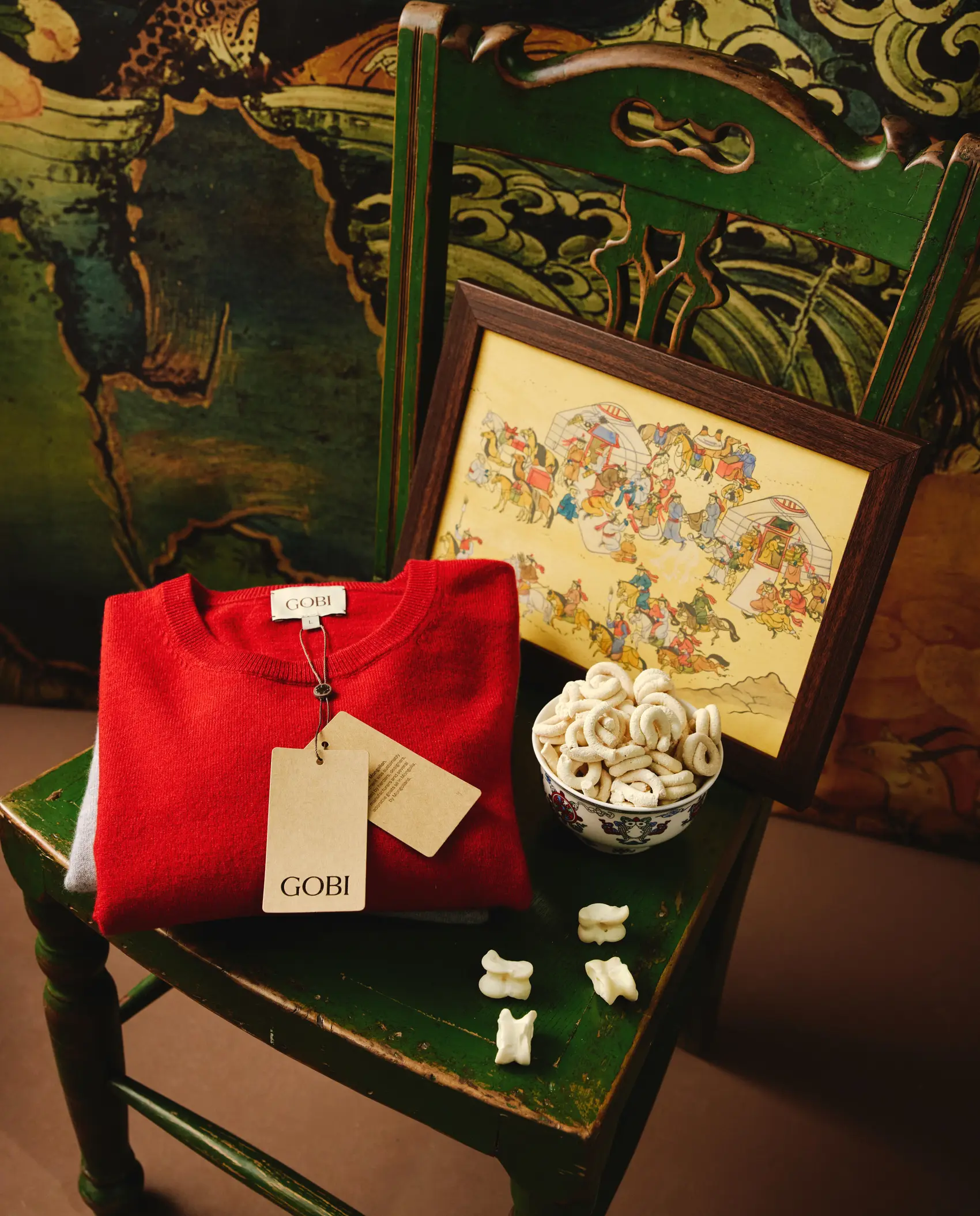
New clothing is also an essential part of the celebration. Wearing new garments symbolises a fresh beginning. The traditional Mongolian deel remains the preferred attire, though modern interpretations are increasingly popular. Cashmere garments are especially favoured during Tsagaan Sar, offering warmth during the early spring chill while reflecting refinement and elegance.

Bituun – New Year’s Eve

The eve of Tsagaan Sar is called Bituun. On this day, families complete their cleaning, settle debts, resolve disagreements, and prepare their ceremonial feast table.
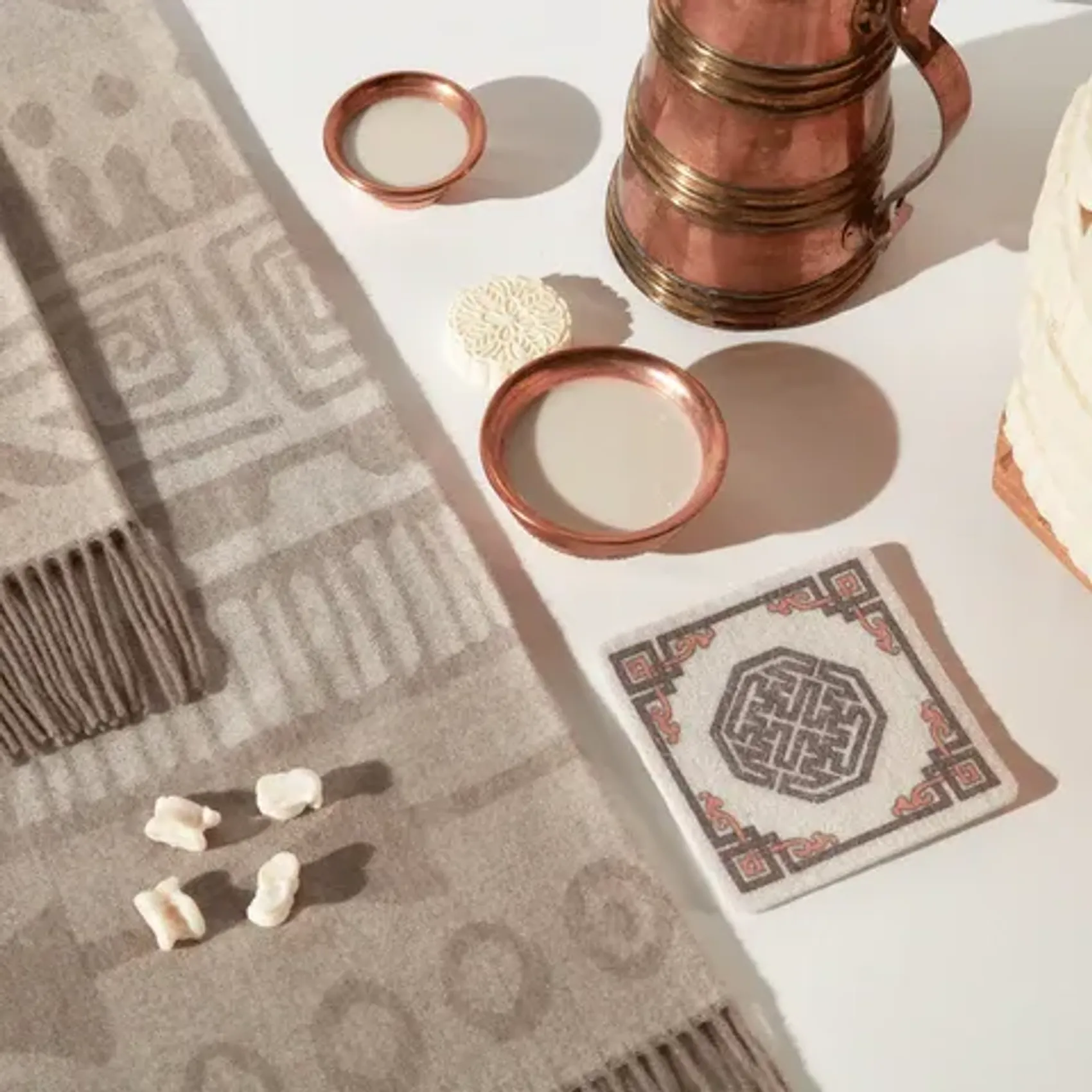
The table features two central elements: the idee, a stack of traditional pastries known as ul boov arranged in odd-numbered layers, and the uuts, a whole cooked lamb’s back with fatty tail. The size and richness of the uuts symbolise prosperity and the health of the family’s livestock after winter. White foods such as dairy products, sugar cubes and dried curds are displayed, reinforcing the symbolic purity of the White Moon. Bituun is also governed by tradition. People avoid arguments, borrowing, or negative actions, as it is believed that one’s behaviour at this time influences the coming year.
Gobi cashmere

The Celebration

On the first morning of Tsagaan Sar, families wake early to greet the eldest household member. Some climb nearby hills to witness the first sunrise of the new year. The traditional greeting, known as zolgolt, is central to the celebration. Younger individuals greet elders by placing their hands beneath the elder’s elbows, symbolising respect and support. Instead of the usual greeting, people say “Amar baina uu?”, meaning “Are you living peacefully?”
Visits proceed according to family seniority. Guests are traditionally offered dairy dishes such as tsagaalga (sweet rice with dairy and raisins), followed by food from the ceremonial table. Hosts distribute pieces of meat from the uuts and present small gifts as tokens of appreciation. While fermented mare’s milk (airag) is traditionally served, modern households may also offer tea or other beverages.
Mongolians believe that one’s attitude and conduct during Tsagaan Sar set the tone for the entire year. Harmony, generosity and respect are therefore essential.

Traditions and Taboos

Tsagaan Sar includes numerous customs and taboos. Black clothing is avoided, as lighter colours symbolise positivity and purity. People do not cut their hair, borrow items, repair old clothes, or spend nights away from home during the celebration. Even if unwell, it is customary to greet guests.

Games and Gift-Giving

When families gather, they spend time playing traditional games, singing folk songs and sharing stories. These activities help younger generations connect with their cultural heritage in an engaging and meaningful way. Gift-giving is an important part of the celebration. Before guests depart, hosts present small gifts such as sweets, clothing, or money as a gesture of gratitude for visiting.
Tsagaan Sar is more than a holiday; it is a celebration of renewal, family unity and cultural identity. Whether observed in Mongolia or abroad, it remains a deeply meaningful tradition that brings generations together.
We wish you a Happy Tsagaan Sar and a prosperous Lunar New Year.

FAQs


Is there a dress code for Lunar New Year?

Yes, there is a dress code for Lunar New Year, especially for Tsagaan Sar in Mongolia. People typically wear new clothes, with the deel (a traditional Mongolian garment) being the most popular choice. Mongolian winter clothing, often made from cashmere, is also favored for its warmth and style. Bright, festive colors are preferred as they symbolize good fortune, while dark colors, especially black, are avoided.

How do you greet someone in Tsagaan Sar?

During Tsagaan Sar, the traditional greeting is called zolgolt. The younger person supports the elbows of the elder while asking, "Amar baina uu?" which means, "How do you do?" This gesture and phrase are used to show respect and honor during the Lunar New Year.

What is Tsagaan Sar?

Tsagaan Sar, meaning "White Moon," is the Mongolian Lunar New Year. It marks the end of winter and the beginning of spring, symbolizing renewal and family unity. It is one of Mongolia's most important traditional holidays, celebrated with family gatherings, traditional foods, and special customs rooted in Mongolian nomadic culture.

What not to wear during the Lunar New Year?

During Lunar New Year, particularly Tsagaan Sar, it's best to avoid wearing dark colors like black as they are considered inauspicious. Bright and festive clothing, especially new clothes, is encouraged, as it symbolizes a fresh start and brings good luck for the new year.
Free Mainland UK Shipping on Orders over £199
Very simple, 14 days return policy
Without Risk & Simple Payment
All our collections are 100% made in Mongolia