Back

Understanding Cashmere Quality: A Guide to Microns and Softness

March 18, 2026

Uchral Amar

Director of Design Development Department

Uchral Amar

Director of Design Development Department

With over 10 years at GOBI Cashmere, Uchral has dedicated her career to crafting beautifully designed knitwear. Beginning as a textile designer, she later led the design division and now oversees design development as its director. Her extensive knowledge of fashion design, combined with years of hands-on experience, enables her to create timeless, high-quality cashmere pieces that seamlessly blend tradition with modern innovation. She shares expert insights on cashmere fashion, design trends, the creative process behind each garment, as well as how to wear, care for, and truly appreciate cashmere.

Author Profile

SHARE THIS

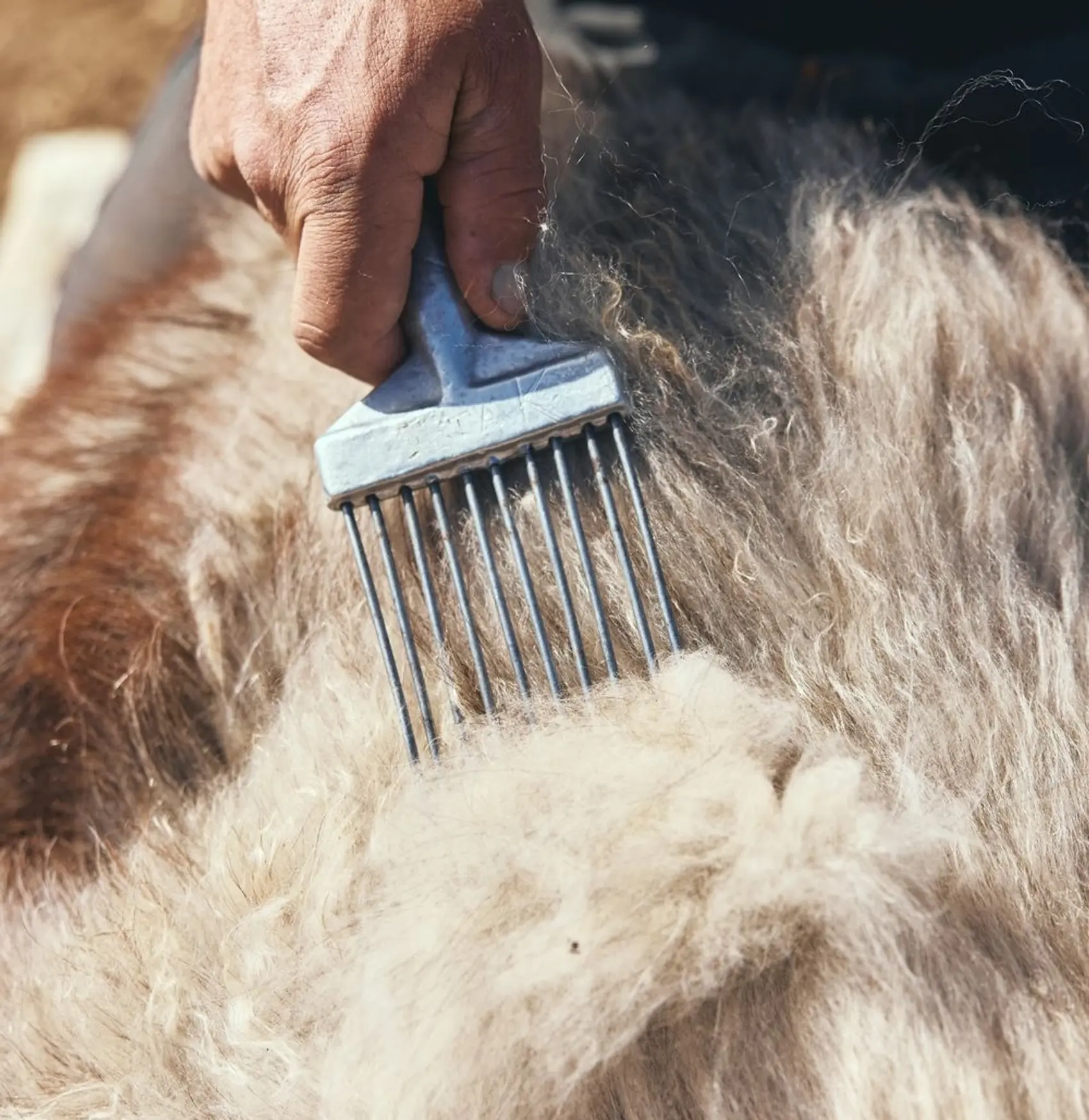
Cashmere is treasured for its gentle softness, insulating warmth, and light feel. Derived from the fine undercoat of cashmere goats, it has long been associated with refined everyday comfort. Yet cashmere quality can vary greatly, making it essential to understand what truly sets superior fibres apart. One of the most important indicators is the micron count.
Microns measure the thickness of individual cashmere fibres. As a general rule, finer fibres produce a softer, more supple fabric, while thicker fibres feel firmer and less refined. Learning how microns influence quality helps buyers make informed and lasting choices.
Gobi cashmere

What Does Micron Count Tell Us?

Micron count refers to the diameter of each fibre. Premium cashmere usually falls below 16 microns. Even small differences within this range can significantly affect softness, drape, and overall comfort.
Mongolian cashmere is especially respected due to the country’s severe winters. To protect themselves, goats grow an exceptionally fine inner coat, producing fibres that are naturally soft, breathable, and warm.
Gobi cashmere

The Role of Environment in Fibre Quality

Cold climates encourage the growth of finer cashmere fibres. This natural process results in material that offers excellent insulation without bulk. Because the fibres are more flexible, they create garments that feel smooth and comfortable throughout the day. In comparison, cashmere from warmer regions often lacks the same fineness and consistency.

How Fibre Fineness Affects Wear

Finer fibres create a smoother fabric that feels luxurious and gentle on the skin. They also drape better and provide a more refined appearance. Coarser fibres may feel heavier and can lose softness more quickly with repeated wear.
Understanding these differences allows buyers to distinguish genuine quality from lower-grade alternatives.

Additional Elements of High-Quality Cashmere

Microns alone don’t tell the full story. Other key factors include:
  • Fibre length. Longer fibres improve strength and reduce the likelihood of pilling, helping garments maintain a clean surface.
  • Natural tones. Cashmere naturally grows in shades such as cream, sand, and warm grey. Retaining these colours through gentle processing helps preserve softness.
  • Careful handling. Thoughtful processing and finishing ensure the fibre’s natural qualities are maintained.

A Practical Checklist for Buyers

When selecting cashmere pieces, consider the following:
  • Micron count under 17
  • Long, resilient fibres
  • Natural, undyed colours
  • Transparent sourcing and quality standards
These indicators point to cashmere that offers both comfort and durability.
The micron count is a practical and reliable way to assess cashmere quality. Finer fibres deliver superior softness, comfort, and longevity. By understanding what microns mean, buyers can confidently choose cashmere that feels exceptional and stands the test of time.

FAQs

What micron is cashmere?

Cashmere fibers are measured in microns, with a lower micron count indicating finer, softer, and more luxurious fibers. Premium cashmere typically boasts a micron count below 16, signifying exceptional softness and quality.

What is the best grade of cashmere?

The best grade of cashmere is a combination of fineness, length, and color.
  • Micron count measures fiber diameter; lower is better, with premium cashmere under 16 microns.
  • Fiber length contributes to durability and reduces pilling; longer fibers are ideal.
  • Natural color influences the high quality of cashmere.
At GOBI Cashmere, we prioritize all three, ensuring our products meet the highest standards for softness, strength, and lasting beauty.

What is the ideal micron count for high-quality cashmere?

An ideal cashmere micron count for high-quality cashmere is under 16 microns. GOBI Cashmere utilizes premium-quality cashmere to make garments that offer both luxury and durability.

Why is Mongolian cashmere considered superior?

Mongolian cashmere is considered superior due to its unique climate and natural conditions, which produce exceptionally fine and soft fibers. GOBI Cashmere ensures that these qualities are preserved throughout the production process, offering products that exemplify the excellence of Mongolian cashmere.

Is GOBI Cashmere's cashmere better than traditional market cashmere?

Yes, GOBI Cashmere offers superior cashmere compared to traditional market options. Our products are softer and more durable, providing a luxurious experience.

How do microns impact the feel of cashmere?

The micron count directly affects the feel of cashmere. Finer fibers (lower microns) have a softer, more luxurious feel, while coarser fibers (higher microns) can feel rougher. At GOBI Cashmere, we ensure our products have a low cashmere micron count, offering a superior tactile experience.
Free Mainland UK Shipping on Orders over £199
Very simple, 14 days return policy
Without Risk & Simple Payment
All our collections are 100% made in Mongolia